Thoroughly evaluate the potential risks and benefits of medical tests, including costs and anxiety, before making decisions about your health.
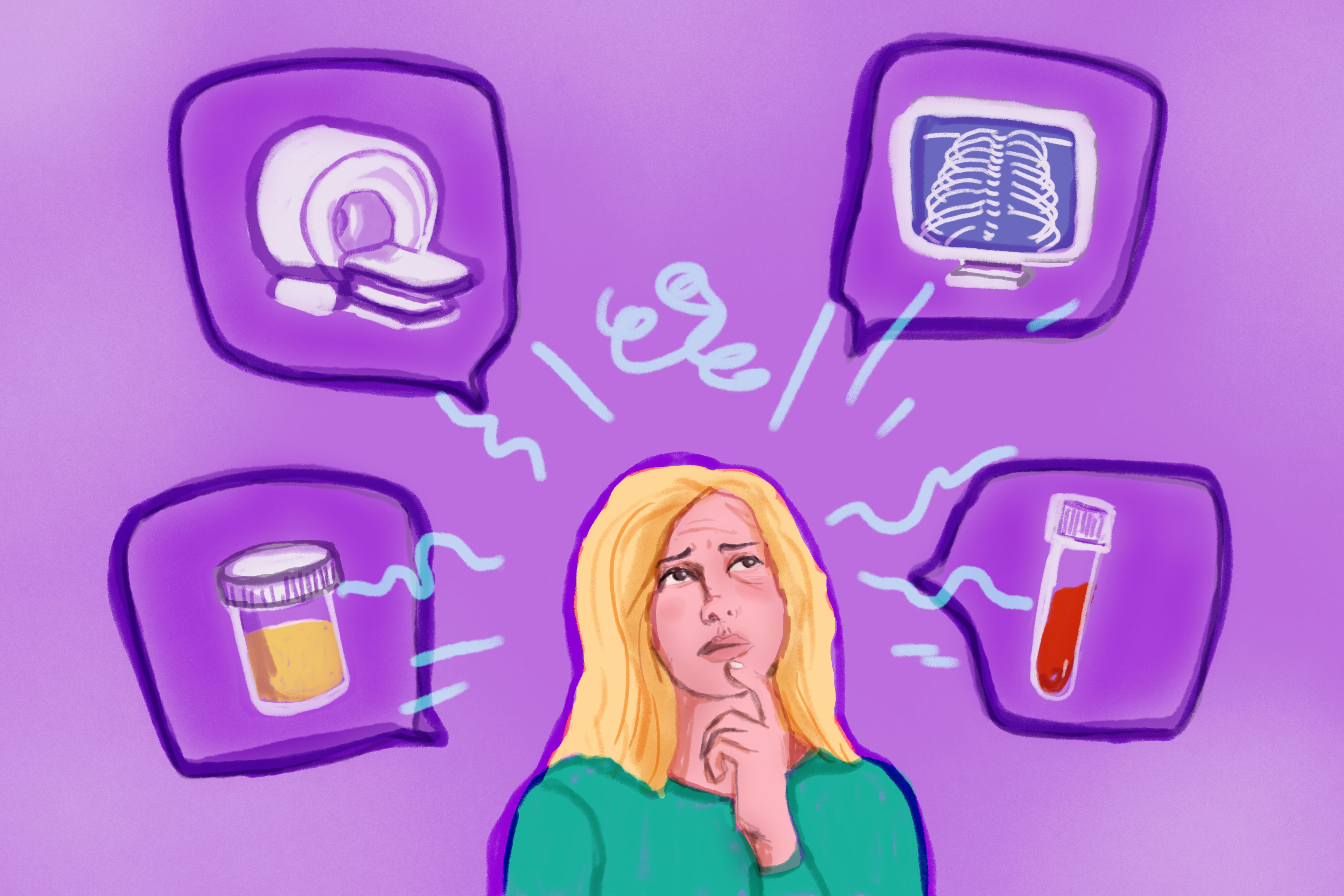
Many people, like Lori Baute from Ocala, Florida, are increasingly turning to full-body MRI scans in hopes of early disease detection, driven largely by high-profile endorsements. However, Baute's experience serves as a cautionary tale about the implications of such choices. After learning of her friend’s bladder cancer diagnosis and subsequently undergoing a full-body scan, she discovered benign pancreatic lesions. While relieved, she also faced the anxiety and stress often accompanying medical testing.
Full-body scans and similar tests are marketed directly to consumers, yet major medical organizations—including the American Cancer Society—do not recommend them for those without specific risks for certain cancers. This discrepancy between consumer marketing and medical guidance raises critical questions about the effectiveness and necessity of these tests. More standardized medical tests, even those that doctors endorse, may carry similar risks and uncertainties.
Assessing Costs and Risks
Every medical test involves inherent costs, both financial and emotional. Tests like full-body scans and blood screenings often aren't covered by insurance and can set patients back thousands of dollars, creating a significant financial barrier. Many individuals may feel pressured to pay out-of-pocket for these tests, believing they are making a proactive health choice. But that's often far from reality. Beyond financial consequences, there's also a physical price to pay. For instance, estimates suggest that a small percentage of CT scan recipients may develop cancer due to radiation exposure, as highlighted by the National Institutes of Health. The potential for harm is real; exposing healthy individuals to radiation isn’t trivial.
Additionally, procedures such as biopsies or endoscopies come with risks like infection and complications from anesthesia, which should not be overlooked. These invasive tests, often triggered by initial scans showing unclear results, can lead to unnecessary health risks. The journey of testing does not only entail physical examinations; it can spiral into a series of medical interventions that might not be warranted.
Moreover, the psychological toll of testing can be significant. Patients frequently experience anxiety while awaiting results or grappling with inconclusive outcomes. Dr. Rita Redberg, a cardiologist at the University of California-San Francisco, notes that such experiences can lead many patients to regret undergoing unnecessary tests. What’s alarming is how these tests can leave patients in a "diagnostic limbo," subjected to repeated examinations to monitor findings that may ultimately be benign. Coping with uncertainty can often replace the initial desire for peace of mind.
The Diagnostic Cascade
Another concern is that a single test often triggers a chain of additional tests, leading to what is known as a “diagnostic cascade.” For example, following her initial scan, Baute will need annual check-ups to monitor her pancreas, bringing continuous worry and associated costs. Repeated visits can quickly drain not just finances, but also mental health. While she feels empowered by this vigilance, others may find themselves overwhelmed by the stress and financial burden of ongoing assessments.
Redberg emphasizes the potential for harm in such scenarios. She cites a tragic case wherein a woman experienced unnecessary complications stemming from a heart scan that did not actually indicate a serious issue. This incident illustrates how tests intended for reassurance can lead to severe consequences if conducted without clear justification. And this is the part most people overlook: the perils of what might seem like a simple precaution can unfold into complex health issues.
Key Questions to Consider
Before consenting to any test, it’s important to critically evaluate its necessity. Questions like, "What actionable information will this test provide?" or "How will the test influence my treatment plan?" should guide patients’ decisions. Redberg encourages those considering tests to reflect on whether alternative methods to improve health exist without resorting to extensive testing.
- What actionable information will this test provide?
- How will the test influence my treatment plan?
- Are there alternative methods to improve my health without this test?
In many cases, proactive lifestyle choices—such as balanced nutrition and regular exercise—can provide benefits without the need for extensive testing. You might be doing yourself more good by focusing on preventive health measures rather than diving into an expensive and possibly anxiety-inducing testing regimen.
Insurer Standards and Evidence-Based Testing
When a health insurance provider backs a medical test, it's typically based on established scientific evidence indicating its efficacy and safety. The U.S. Preventive Services Task Force designates ratings of A or B to services deemed beneficial, ensuring insurers cover essential preventive screenings. However, many consumer-targeted tests do not pass these rigorous standards, which can leave patients facing unexpected expenses. That's a critical insight. Consumers might not realize that the allure of direct-to-consumer testing can often come with hidden costs.
This overview reinforces the necessity of engaging thoughtfully with healthcare providers when considering tests. Understanding the risks—both physical and emotional—as well as the financial implications will empower individuals to make informed health decisions. It’s about peeling back the layers of marketing to unveil the true value of what’s being proposed.
Implications and Future Outlook
The increased interest in tests like full-body MRI scans raises important implications for healthcare practices. As more individuals seek proactive health measures, there's a risk of saturating the healthcare system with unnecessary tests that may yield more stress than benefit. What this means for you, if you're working in this space, is that healthcare providers need to recalibrate their approaches to patient education. A well-informed patient is more likely to engage in discussions about the necessity and efficacy of tests.
This shift also calls for an evolution in insurance policies to match the actual value of preventative measures to consumer expectations. If insurers begin to cover more evidence-based preventative services while being forthright about costs, patients might navigate their health journey with greater confidence. It all leads back to fostering a culture where informed decision-making is prioritized over marketing hype. In this delicate balance lies the path forward for responsible healthcare.
This report builds on key insights into healthcare decision-making, emphasizing the importance of understanding medical testing in the broader context of preventative health management.



Discussion
Sign in to join the discussion.