In light of federal vaccine policy changes, Colorado has enacted state-level legislation to enhance its vaccine program and restore public trust.
State Action Following Federal Policy Changes
Amid rising concerns over abrupt shifts in federal vaccine policies, Colorado has decided to take a proactive approach to strengthen vaccine science among its residents. This initiative comes as various states express their dissatisfaction with the federal guidelines that may undermine trust in vaccination programs.
Legislative Developments
A significant turn in this journey occurred when a bill was passed by the Colorado state legislature in March and subsequently signed into law by Governor Jared Polis. This new law allows Colorado to dissociate from federal recommendations, empowering local health authorities to base their decisions on guidance from national medical organizations. As noted by Democratic State Senator Kyle Mullica, a co-sponsor of the bill and a registered nurse, “We are insulating our state from the dysfunction coming out of Washington.”
Coalition for Vaccination Advocacy
In response to these shifts, a coalition named Colorado Chooses Vaccines was formed, comprising doctors, scientists, and local officials dedicated to promoting vaccination awareness. Their aim is to reassure residents about the proven benefits of vaccines, countering the confusion stemming from the changes in federal recommendations.
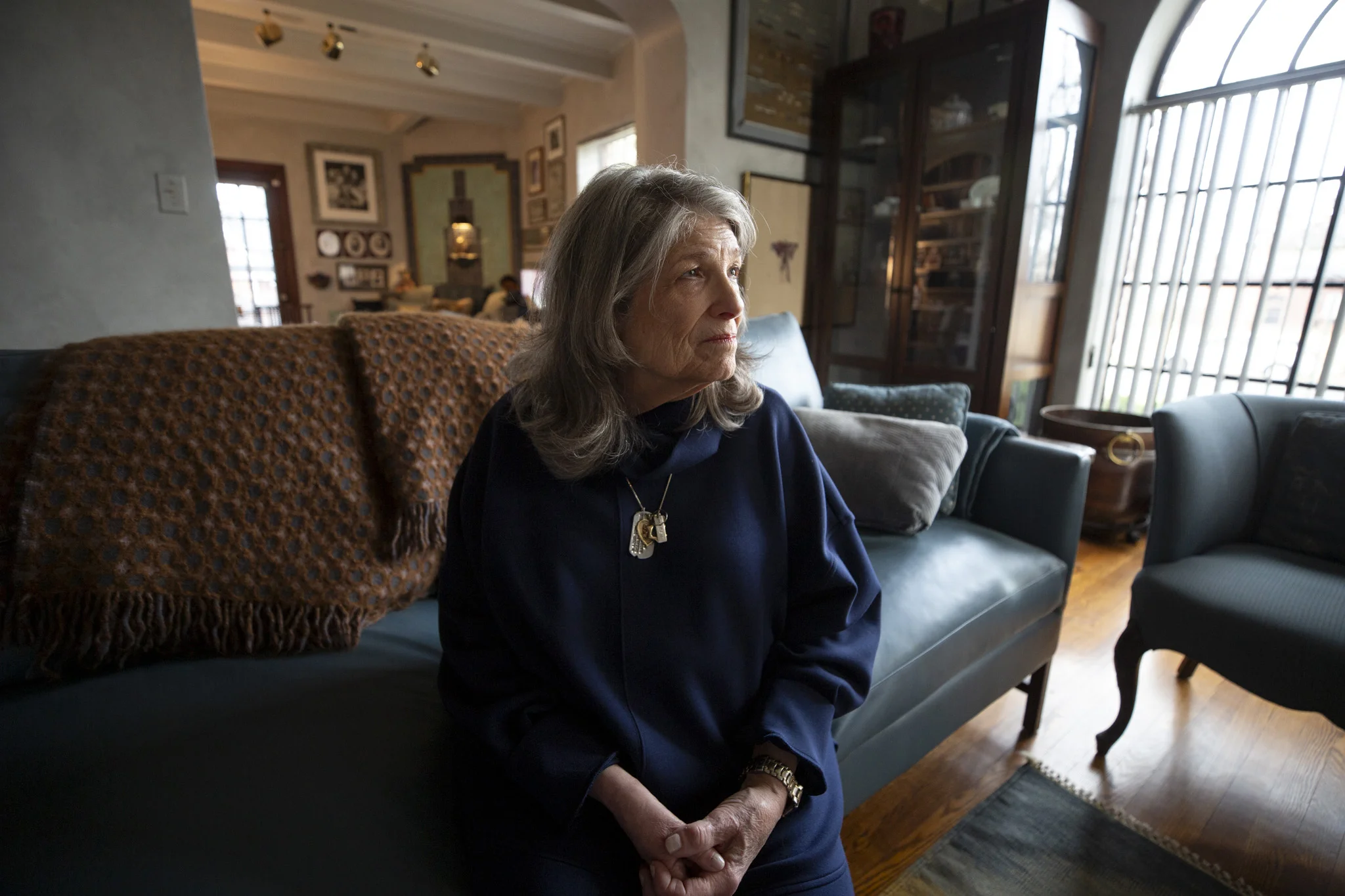
Carol Boigon, a former Denver City Council member and one of the coalition's members, draws from her childhood experience with polio to emphasize the dangers of vaccine-preventable diseases. “Every summer everybody got sick,” she recalled about her experience in 1950s Detroit. Such personal narratives will be leveraged to educate new generations about illnesses that were often fatal before widespread vaccination.
Legislative Protections and Challenges
The new state law not only allows deviations from federal recommendations but also enhances the authority of pharmacists to prescribe and administer vaccines. Furthermore, it provides additional legal protections for healthcare workers involved in vaccination efforts. Susan Lontine, a coalition member and former state lawmaker, stated, “This law will provide more clarity to guide all Coloradans, including providers who administer vaccines.”
However, this legislation is facing opposition from critics who assert it may infringe on parental choices regarding vaccination. Republican State Senator John Carson expressed concerns about the potential for political disputes impacting public health decisions.
Rising Health Concerns
The urgency behind Colorado’s legislative actions is underscored by a notable uptick in vaccine-preventable illnesses, with recent reports indicating an alarming rise in cases of flu and measles. By mid-May, Colorado reported 22 measles cases, a dramatic increase from previous years, highlighting a pressing need for state-level intervention amidst declining vaccination rates in some communities.
Children's vaccination rates for kindergarten are currently lagging, with only 88% of students vaccinated for measles, falling short of the 95% threshold necessary for herd immunity. Such statistics reveal a critical public health concern as Colorado navigates through one of its most challenging flu seasons in years.
Addressing Misinformation and Funding Issues
The coalition aims to create a comprehensive approach to combat misinformation about vaccine safety and efficacy, especially among communities that may be hesitant to vaccinate due to financial concerns. According to coalition member Elizabet Garcia, outreach efforts will focus on Hispanic communities, many of whom worry about out-of-pocket costs for vaccines.
The Bigger Picture
The Colorado response ties into broader state efforts to maintain public health standards, especially after federal decisions related to the U.S. withdrawal from the World Health Organization. Colorado and other states have opted to pursue independent memberships in the WHO’s Global Outbreak Alert and Response Network.
This local initiative is further emphasized by the ongoing challenges posed by influential figures advocating against vaccinations, leading to a significant public relations battle. Even with a federal judge recently putting a hold on controversial changes to childhood vaccination schedules, advocates like Boigon fear that society risks a regression to a time when vaccine-preventable diseases were rampant.
Final Thoughts
As vaccination rates fluctuate and preventable illnesses surge, Colorado’s maneuvers signal a critical reassertion of local public health initiatives. The state’s approach not only seeks to promote vaccination but also aims to rebuild trust between the public and health systems in a climate of increasing apprehension. As Boigon aptly remarks, “It’s like we’re going backwards,” illustrating the urgency of this moment in public health advocacy. The state’s efforts could serve as a blueprint for others grappling with similar public health challenges.
This article is part of a collaboration involving Colorado Public Radio, NPR, and KFF Health News.
KFF Health News is dedicated to in-depth health journalism and serves as a resource for health policy research and analysis.


Discussion
Sign in to join the discussion.