Interleukin-2's discovery has led to significant advancements in immunology and cancer treatment, showcasing the unpredictable nature of scientific research.
Half a Century of Interleukin-2
In September, we celebrated the 50th anniversary of a pivotal research paper that introduced interleukin-2 (IL-2), a protein integral to T cell growth and regulation. This occasion prompted discussions among prominent immunologists, including Rafi Ahmed and Steven Rosenberg, about IL-2's legacy— a question that speaks to the heart of scientific importance.
The Multifaceted Legacy of IL-2
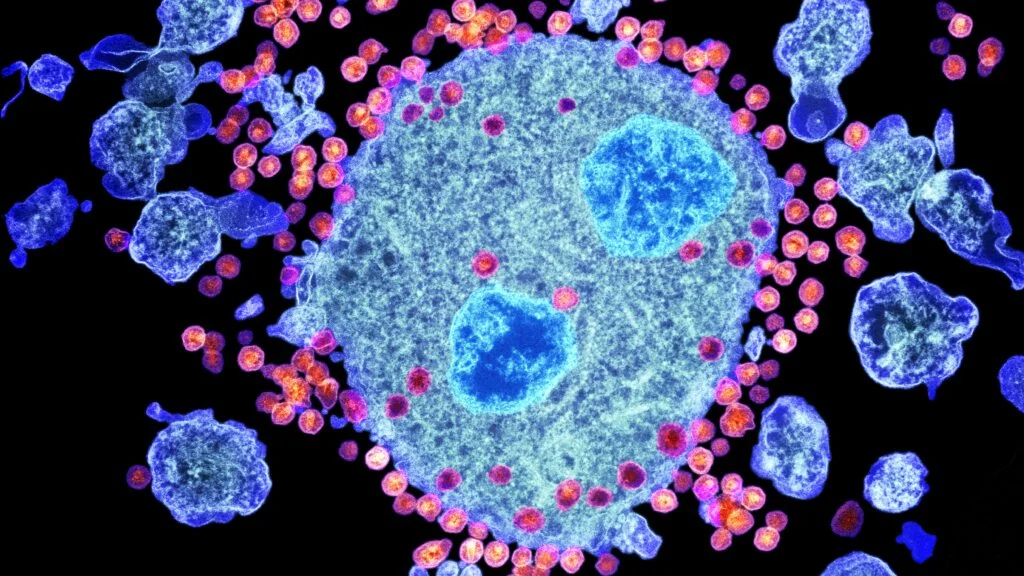
Opinions vary widely regarding IL-2’s most significant contributions. For me, its role in discovering the first human retroviruses—including HIV, which is recognized as the sole cause of AIDS—stands out. This discovery wasn’t merely an academic achievement; it directly led to the evidence that cemented HIV's link to AIDS and resulted in the development of lifesaving blood tests.
Conversely, many in my field might argue that the ability to cultivate human T cells and the resulting advancements in cellular immunology and cancer immunotherapy represent IL-2’s true breakthrough. This discrepancy in perspective captures the multifaceted nature of scientific impact.
The Essence of Scientific Discovery
The journey of IL-2 underscores a vital lesson about the unpredictable nature of scientific exploration. Often, the initial objectives of research diverge from the pathways that unfold following a discovery. People frequently express their support for scientific endeavors but often want immediate results, overlooking that major medical advancements typically begin with questions that may seem abstract or irrelevant at first.
Initially, our aim was to identify growth factors that would enable the culture of various human blood cells. When we successfully cultivated human T cells, it signaled a transformational moment. This was a major breakthrough because prior beliefs suggested that T cells could not survive beyond initial division. Yet, against the odds, we demonstrated that they could thrive in culture.
Pioneering Retroviral Discoveries
This pivotal moment in 1976 laid the groundwork for subsequent milestones. For instance, our work led to the identification of human T-cell leukemia virus-1 (HTLV-1), the first known human retrovirus, followed by HTLV-2. HTLV-1 notably provided the first empirical evidence that a virus could trigger human leukemia, turning a normal cell into a malignant one. Without the ability to study T cells effectively through IL-2, these discoveries would have taken much longer to materialize and wouldn't have been as comprehensively understood.
We had no foresight that a more perilous threat, HIV, was lurking nearby, ready to disrupt the global health landscape. Our foundational work with human T cells meant that we were not starting from scratch when tasked with identifying HIV and confirming its role in AIDS.
The Transformation of Cancer Immunotherapy
Beyond infectious disease, IL-2’s impact on cellular immunology opened unforeseen avenues in cancer treatment. Innovators like Steve Rosenberg recognized the potential of using IL-2 to activate the immune system against cancer. His research essentially laid the foundation for modern cancer immunotherapy, a field that continues to evolve in remarkable ways.
Moreover, luminaries such as Rafi Ahmed have advanced our understanding of T-cell memory, shaping how we comprehend immune responses over time, whether due to infection or vaccination. The trajectory of this field has spiraled in directions we couldn't have anticipated.
Broader Implications for Research Funding
Reflecting on these advancements raises concerns regarding the current trend to prioritize research with immediate applications. While supporting directly impactful research is essential, focusing solely on readily apparent needs risks sidelining groundbreaking inquiries that may yield transformative discoveries down the line. Scientific progress doesn’t adhere to a linear path; it’s often spurred by unexpected insights that lead to diverse breakthroughs.
Lessons from the Past
I gained insight into this dynamic at a young age while witnessing my sister fight leukemia. During her treatment, I observed doctors conducting bone marrow biopsies, questioning their necessity when hope seemed slim. Their answer was simple yet profound: “For the future.” This experience stayed with me, illustrating that the benefits of research often emerge long after initial efforts, revealing the far-reaching implications of scientific inquiry.
A Vision for the Future
Today, IL-2 stands as a testament to how unpredictable and far-reaching scientific discovery can be. It's a reminder that the researchers pursuing today’s seemingly obscure questions may be laying the groundwork for revolutionary breakthroughs in medicine a generation from now. Acknowledging and supporting efforts that are not immediately understandable is crucial for ensuring that tomorrow's challenges are met with the best possible solutions.
Robert C. Gallo, M.D., serves as the founding director of the University of South Florida’s Institute for Translational Virology & Innovation and holds prominent roles within the Global Virus Network and other medical institutions.


Discussion
Sign in to join the discussion.