Recent developments in cancer vaccine research suggest potential and challenges in the fight against cancer, with mixed results from ongoing trials.
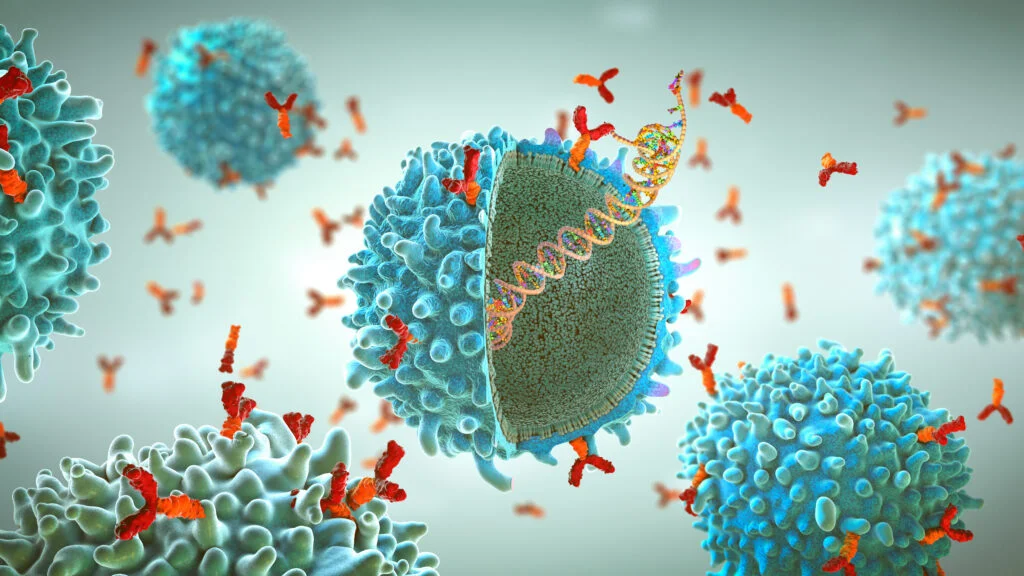
In recent months, the medical community has seen compelling developments in the realm of cancer vaccines, particularly with mRNA technology. In August, two pharmaceutical companies announced promising results from trials combining their mRNA vaccine with an immunotherapy treatment, significantly reducing the likelihood of melanoma recurrence. This breakthrough has sparked hope that personalized vaccines might eventually offer protection against various cancer types.
However, the enthusiasm met a counterpoint shortly after when a German pharmaceutical company halted its trial of a colorectal cancer vaccine due to disappointing preliminary outcomes. This contrast in vaccine efficacy has raised questions among experts about the feasibility of employing vaccines for cancer prevention on a broader scale.
Understanding the Potential of Cancer Vaccines
The initial success with melanoma hints at a new avenue in cancer treatment. By training the immune system to recognize and attack cancer cells, personalized mRNA vaccines could transform preventive care. Researchers are now closely examining how these findings could serve as a model for other types of cancer vaccines. However, the abrupt termination of the colorectal vaccine trial underscores a crucial point: not all cancers may respond to vaccination strategies similarly.
Experts emphasize the need for a nuanced understanding of cancer biology before concluding that vaccines can be effective across the board. The complexity of cancer, which varies significantly between patients and cancer types, must be factored into future research and development efforts.
Insights from Recent Trials
In discussing the unexpected disparity between the two vaccine trials, Dr. Emily Watson, an oncologist, emphasized, “Cancer is not a one-size-fits-all disease. The immune response in melanoma can differ vastly from that in colorectal cancer, which probably explains the different outcomes in these trials.” Her insights reflect a growing recognition within the community that while the promise of vaccines is considerable, the implementation will require tailored approaches.
Further analysis reveals an intricate relationship between specific cancer subtypes and the methods used to stimulate an immune response. The advances in our understanding of the immune system's interactions with cancer are crucial for guiding future vaccine strategies. Hence, the success seen with melanoma may not translate universally, and further research is needed to replicate such outcomes in other malignancies.
Broader Implications for Cancer Treatment
As researchers continue to explore the viability of vaccines for various cancers, the potential for tailored immunotherapies appears promising. By harnessing the body’s natural defense mechanisms, there may be substantial opportunities for personalized medicine to flourish. This could lead to not only preventive measures but also enhance existing treatment modalities.
As findings evolve, the focus will likely shift towards understanding which cancers can be effectively targeted using vaccines, and which will necessitate alternative therapeutic strategies. There's an evident push within the scientific community to bridge the gap between successful trials and practical, real-world applications.
Looking Ahead
The recent divergences in vaccine effectiveness highlight a pressing need for continued research and realistic expectations. While the prospects for cancer vaccines are advancing with promising mRNA frameworks, setbacks remind us of the complexities of cancer treatment. Experts remain cautiously optimistic, asserting that ongoing research may eventually decipher the variables that influence the immune response against different types of cancer.
The journey toward universally effective cancer vaccinations is undoubtedly ongoing, but each step is integral to unraveling the mysteries of this formidable group of diseases. The medical community is focused on extracting lessons from current trials, with an eye toward innovating strategies that harness the human immune response efficiently and effectively.
In closing, as researchers work tirelessly to unlock the potential of cancer vaccines, it’s clear the road ahead will be marked by both breakthroughs and challenges. Engaging with these developments will be essential for stakeholders across the healthcare spectrum as they adapt to a future that could include effective vaccination strategies against various cancers.
Discussion
Sign in to join the discussion.