The ADA says a written threat preceded five members’ ejections, while acknowledging its conduct code didn’t clearly ban distributing materials.
A threat, and a gap in the rules
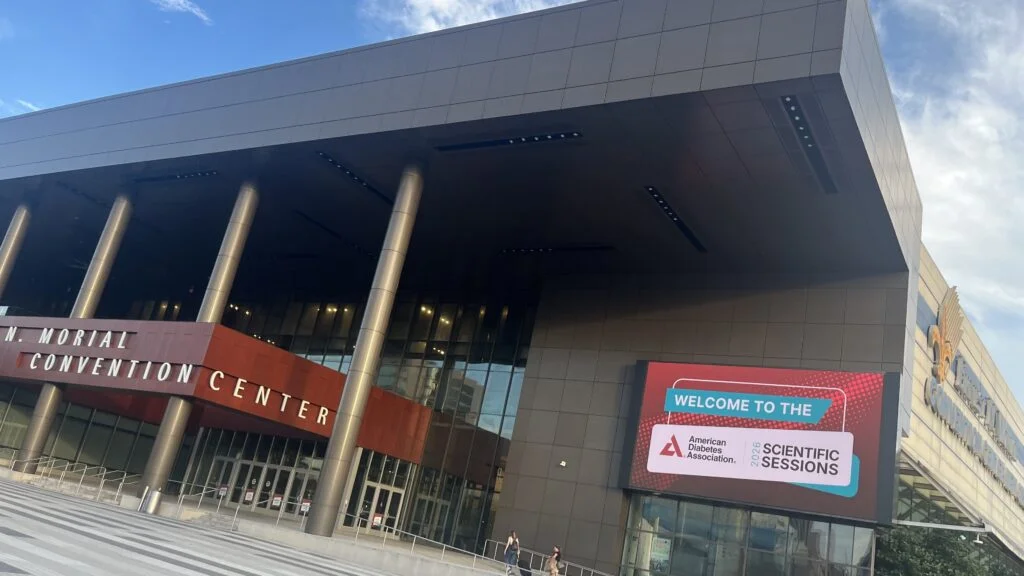
The American Diabetes Association’s review of five members’ ejection from its scientific session in New Orleans on June 5 offers a partial explanation—and acknowledges a gap in its rules. The ADA cited a “written threat that there would be protest and disruption,” while conceding its code of conduct didn’t explicitly prohibit distributing materials inside the convention center. That distinction matters: the organization has pointed to a threat as the reason for its action, while acknowledging that one form of conduct connected to the dispute wasn’t clearly barred by its written policy.
The release doesn’t settle how the threat and the distribution of materials were related, or what specific evidence informed the decision to remove the five members. Nor does the summary, as described here, establish whether the members who were ejected were responsible for the threat. Those are separate questions, and keeping them separate is necessary to understand what the review has—and hasn’t—explained.
A code of conduct is useful only to the extent that members can understand what it prohibits and how it will be applied. In an event setting, organizers may have to respond quickly to conduct they believe could disrupt a session. But a rule that doesn’t clearly cover distributing materials leaves room for disagreement about whether a response was consistent with the written standard.
A dispute made harder to follow
The Friday release came three days after the organization disclosed the departure of Rita Kalyani, its chief medical and scientific officer, without explanation. The ADA has issued two accounts of the incident, an apology, a review summary and notice of further review. Taken together, those communications show that the organization has responded repeatedly, but the number of statements hasn’t necessarily resolved the underlying questions.
When an organization gives multiple accounts of a contested event, readers naturally look for a clear sequence: what happened, what rule applied, who made the decision and what the review concluded. The source doesn’t provide enough detail to answer those questions fully. A notice of further review signals that the process is continuing, but it also leaves members waiting for a fuller account.
Kalyani’s departure adds another point of uncertainty because it was disclosed close to the review release, without an explanation. The timing may invite speculation, but the available information doesn’t establish any connection between her departure and the ejections. That boundary matters; treating proximity as proof would turn an unresolved detail into a claim the source doesn’t support.
Organizational consequences
The fallout has spread across the organization: members have petitioned and an 1,100-member boycott is underway. The flagship journal has stopped accepting manuscripts, while grant reviews, fundraising and educational activities have ceased. The review leaves the dispute’s central tension unresolved: the ADA points to a threat, yet its written policy did not clearly define the conduct at issue.
These consequences reach well beyond the room where the ejections took place. A professional association depends on members’ participation in its meetings, publications, research processes and educational work. When those activities pause, the dispute can affect people who weren’t present in New Orleans and may not share the same view of what happened.
The range of suspended activities also makes the controversy harder to contain. A boycott is a visible expression of dissent; a halt to manuscript submissions or grant reviews can interrupt ordinary work that depends on the organization’s systems. The source doesn’t specify how long those pauses will last or what work is affected, so their full reach remains unclear. Still, this is more significant than it looks: the conflict has become a test of whether members trust the ADA’s decisions and explanations.
What the policy question means
Here’s the thing: citing a threat and acknowledging a policy gap can both be true, but they answer different questions. The threat may help explain why the ADA acted. The unclear rule raises a separate question about whether members had fair notice of what conduct could lead to removal. A review that addresses only one side of that tension risks leaving members unconvinced.
That said, the source doesn’t establish that the ADA’s response was unjustified, either. It doesn’t provide the threat’s wording, the review’s full evidence, or a detailed account of how the code was applied. Any confident judgment about the merits would go beyond the information available. The more defensible conclusion is narrower: the organization has acknowledged that its written rules didn’t explicitly cover the distribution of materials inside the convention center, while relying on a written threat of protest and disruption to explain the ejections.
(And this is the part most people overlook.) A policy can be incomplete even when an organization faces a serious concern, and a serious concern doesn’t automatically clarify what the policy permits. The ADA’s next explanation will matter because members need to see how the organization connects the threat, the conduct at issue and the decision to remove five people.
What comes next for members
If you’re working in this space, the practical question is whether the further review will give members a usable account of the decision. That means explaining how the relevant rule was interpreted, what conduct it covered and why the organization considered removal necessary. Without that clarity, the petition and boycott may remain focused on the process as much as on the original event.
The pause in journal submissions, grant reviews, fundraising and educational activities puts pressure on the ADA to address the dispute, but it doesn’t guarantee that a new statement will resolve it. Members may judge the response by whether it answers the policy question plainly and accounts for the organization’s actions across its different statements. A change in wording alone won’t explain how the rules were applied.
For now, the review offers a partial account, not a settled explanation. The ADA has named a written threat and admitted that its code didn’t explicitly prohibit distributing materials in the convention center; the broader disagreement remains active across its membership and programs. Unresolved, for the moment.



Discussion
Sign in to join the discussion.