Mary-Claire King reflects on the journey of scientific achievement and the anticipation surrounding the Nobel Prize, emphasizing impact over accolades.
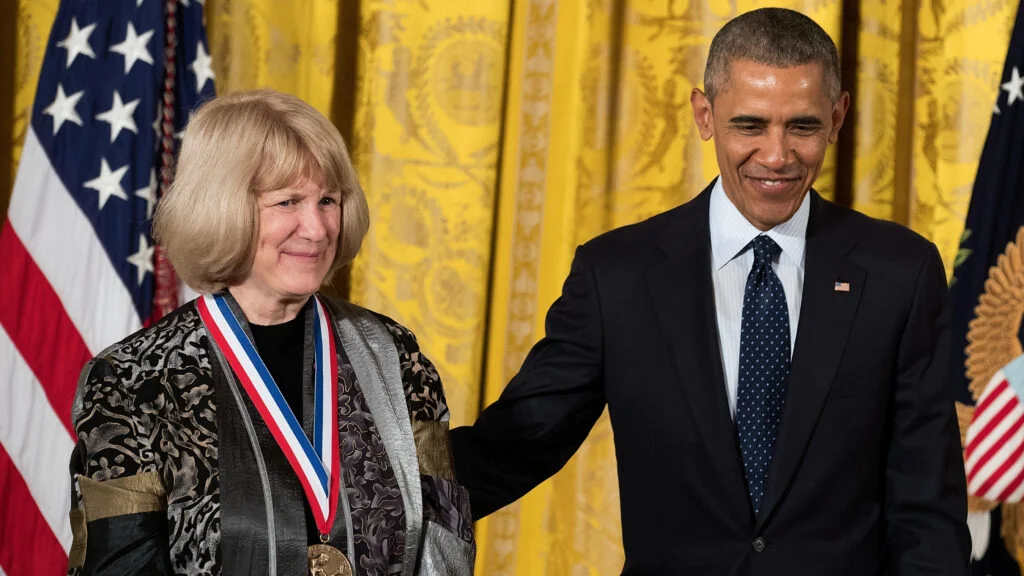
For Mary-Claire King, the prospect of the Nobel Prize is more than just an honor; it's a reflection of her life's work and its significance in medical science. Having contributed immensely to our understanding of hereditary breast and ovarian cancer through her discoveries surrounding the BRCA1 and BRCA2 genes, King is often mentioned among those favored to win the prestigious award.
King's initial encounter with the Nobel committee's consideration process came two decades ago when she was invited to present a seminar at the Karolinska Institutet in Stockholm. This invitation, she later learned, was an indicator of her potential candidacy for the award. Upon her arrival, she engaged with prominent experts, not realizing at the time that many of them were members of the committee.
Impact of Breakthrough Discoveries
Her groundbreaking research in the mid-90s identified genetic mutations that significantly increase the risk of breast and ovarian cancer. This pivotal discovery has enabled countless women to choose preventive measures, such as mastectomies and oophorectomies, drastically reducing mortality rates associated with these cancers. King highlights that the knowledge gained from her research provides actionable power; it empowers women to make informed health decisions and undertake preventive interventions.
As the Nobel Prize announcements approach, King expresses mixed feelings about her prospects. Despite years of speculation and being a perennial candidate, she remains realistic about the chances of any one individual winning. "The odds are extremely low for any one year," she acknowledges, noting that her life’s work, while being impactful, is just one of many deserving contributions in the field of medicine.
The Emotional Journey of Anticipation
Ahead of the upcoming award announcements, King discussed her emotional journey, recalling her first experience of being mentioned as a potential Nobel laureate. She reminisced about the seminars she held, the clever questioning from committee members, and how those experiences shaped her understanding of her work's importance. "It was a lovely experience, but there was no feedback—it was all very polite and professional," she elaborates.
This kind of anticipation, while exciting, is laden with uncertainty. King reflects on the variability of outcomes in such a selection process, comparing it to a series of interviews where skepticism may arise amongst attendees. However, she takes confidence in the thousands of women whose lives have been positively influenced by her research, underscoring the emotional and altruistic rewards of her work. “I’ve received letters from women whose lives were changed because of my work on BRCA genes. Those moments are deeply moving," she states.
Promoting Diversity in Science
Mary-Claire King also addressed the landscape for women in science today—a space where she has been a powerful advocate for change. She recognizes a significant shift in gender representation among researchers, faculty members, and policy-makers in health, paralleling the historical struggles faced by women in the scientific workforce. However, she affirms that challenges remain. Balancing careers with familial responsibilities is still a daunting obstacle for many. "Until we have reliable childcare systems in place, equality will remain elusive," she emphasizes.
While acknowledging these systemic issues, King encourages the newer generation of female scientists to persist. “Careers are long, and children grow quickly," she says, advocating for a patient approach where dedication to both science and family is possible. Her advice to aspiring scientists is straightforward yet profound: focus on problems that resonate personally, as genuine passion often leads to meaningful and transformative discoveries.
Current and Future Endeavors
As for her current research, King remains actively engaged in several projects involving genetic vulnerabilities associated with various conditions, including schizophrenia and bipolar disorder. Her ongoing fascination with genetics and its applications motivates her to navigate through complex genetic territories that have yet to be fully understood.
King believes that there is vast untapped potential in applying modern genetic tools to age-old problems in healthcare. She defines her work not just as a series of groundbreaking discoveries but as an evolving narrative in her field, where each new insight opens the door to further inquiry and understanding.
The honor of a Nobel Prize would undoubtedly add a prestigious chapter to Mary-Claire King’s storied career. Yet, what's paramount for her is the legacy of her research and the collaborative network she has fostered among women seeking answers about hereditary cancer risks. Ultimately, it’s this legacy that she cherishes most, a bond that transcends accolades and speaks to the heart of scientific inquiry.
Discussion
Sign in to join the discussion.