Medically tailored meal programs for Medicaid patients yield significant health benefits and cost savings, yet face uncertainty due to prospective budget cuts.
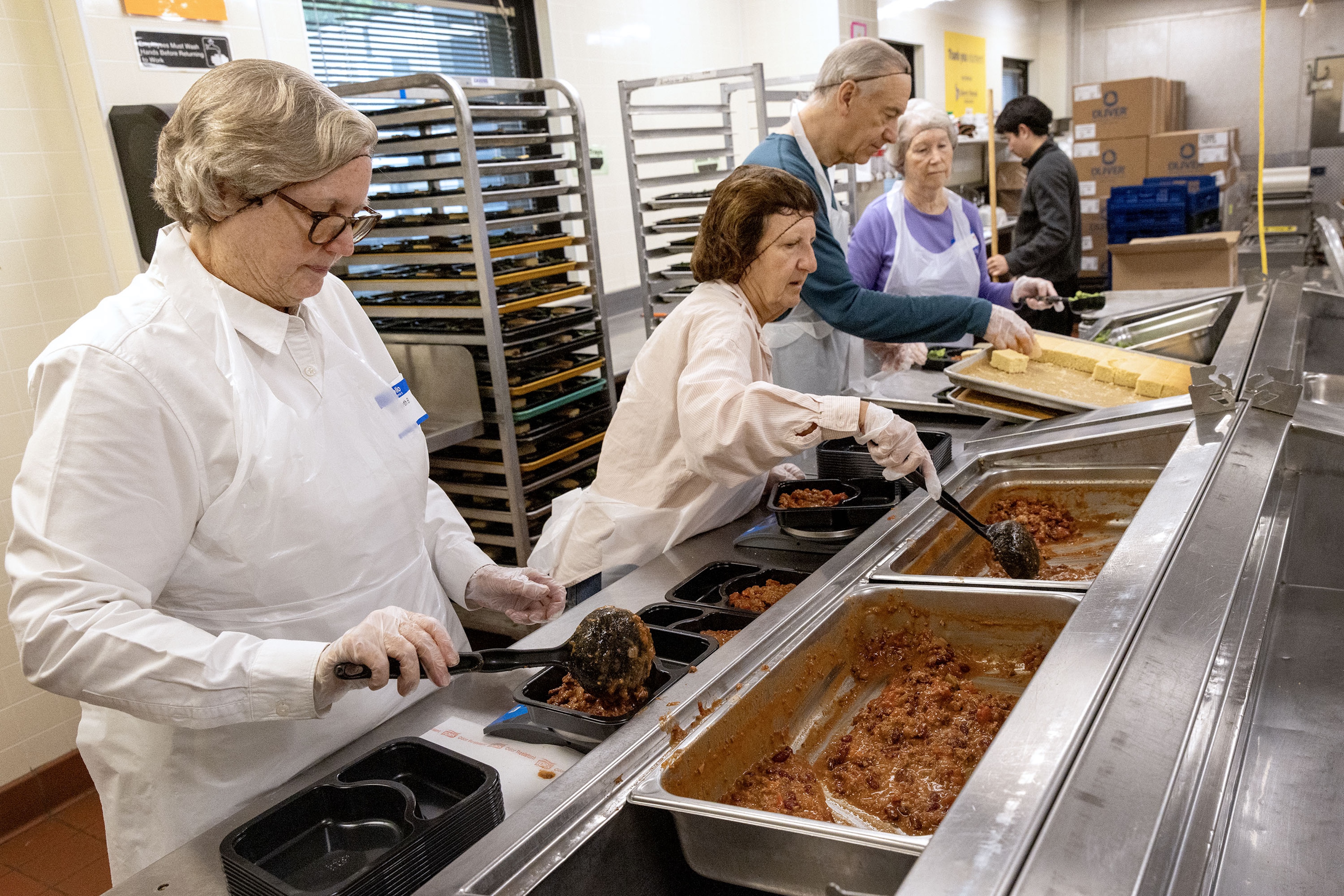
In a bustling Boston kitchen, volunteers prepare nutritious meals specifically tailored for Medicaid patients unable to shop or cook for themselves. This initiative aims to provide medically tailored meals that address individual health needs, showing promising results in improving patient health.
Take Vanessa Georges, a throat cancer survivor, who claims these meals transformed her recovery, stating, “Once I started to eat these meals geared toward my illness, I built up my muscle mass again.” Beyond enhancing her strength, she also experienced fewer doctor visits, a sentiment echoed by numerous studies.
Recent research reveals that approximately 1,900 patients receiving medically tailored meals for three months in Massachusetts had significantly lower healthcare needs: 20% fewer visits to emergency departments and a 31% decrease in hospitalizations compared to similar patients who did not receive these meals. Dariush Mozaffarian, a cardiologist at Tufts University who led the study, highlights a vital aspect: “It actually saves the healthcare system money.” These findings could prove essential as discussions about healthcare spending intensify.
Potential Budget Cuts Impacting Meal Programs
Future funding for these beneficial meal programs is threatened by the One Big Beautiful Bill Act, which proposes to cut Medicaid funding by over $900 billion. This legislative move reflects a broader sentiment among some lawmakers, notably Republicans, who advocate for reducing federal health spending, citing concerns over waste. For instance, Senator John Kennedy of Louisiana criticized states like California for allegedly misallocating Medicaid funds to support nutrition and housing programs.
Amaya Diana, a policy analyst at KFF, underscores the tight squeeze states are facing financially. “If states cannot compensate for the loss of federal funds with new taxes or spending cuts elsewhere, they’ll have no choice but to cut programs,” she warns. Currently, federal waivers allow 13 states to allocate Medicaid funds for meals, yet the sustainability of these programs remains in question.
Shifting Federal Approaches and Nutritional Focus
The Trump administration initially permitted states to explore medically tailored meal programs but has since retracted guidance from the Biden era. As a result, many states find themselves in a predicament of uncertainty, with a lack of clear federal direction impacting their ability to sustain valuable nutrition programs. Kurt Hager, an assistant professor at the University of Massachusetts, observes a shift to a more cautious, state-specific decision-making process, which could hamper program adoption across the country.
In the backdrop of these budgetary concerns, health officials have begun emphasizing nutrition's role in healthcare, with figures like Robert F. Kennedy Jr. advocating for healthier hospital food. The administration recognizes that investing in nutrition could effectively mitigate reliance on costly medical interventions, which Oz emphasized during a recent address.
The Effectiveness of Medically Tailored Meals
The meals prepared by organizations like Community Servings are aimed at meeting the specific dietary needs of recipients, who often struggle with multiple health conditions. David Waters, CEO of the nonprofit, emphasizes a personalized touch: “We work with your healthcare provider to understand your health realities.”
Research underscores the efficacy of these programs, with patients reporting notable healthcare savings. For instance, heart disease patients utilizing these meals incurred $10,000 less in healthcare costs over six months, and those with kidney issues saved around $12,000 during the same period.
Nationally, estimates suggest that around 10 million Americans could benefit from medically tailored meals, despite current enrollment numbers being minimal. Mozaffarian reinforces this point, indicating that poor nutrition is a leading factor in escalating healthcare costs. “Medically tailored meals could help patients avoid 1.6 million hospitalizations annually and potentially save the U.S. $13.6 billion in healthcare expenditures each year,” he asserts.
Real-Life Impacts of Meal Deliveries
Individuals like Steve Honyotski, a 71-year-old Boston resident with multiple chronic conditions, share how these meals have positively influenced their health. He notes a decrease in insulin usage and weight loss that has delayed the need for knee replacement surgery, saying, “The carrot ginger soup is my favorite.” His experience reiterates the tangible benefits these meal programs provide.
Moving forward, Massachusetts’ Medicaid director, Ryan Schwarz, asserts that the state will seek federal approval to maintain its meal delivery initiatives, highlighting a commitment to sustaining these crucial services. Similar efforts in North Carolina reflect the potential impact of food and housing supports on reducing Medicaid costs. While initial budget worries led to a suspension of these services, it appears lawmakers are reconsidering their stance, showcasing a glimmer of hope for the future of these essential programs.
As states face tough budgetary decisions, the fate of medically tailored meal programs hangs in the balance, underscoring the need for continued advocacy and evidence-based approaches to healthcare interventions.
For now, as those in states like Massachusetts await clarity from federal authorities, the success of these meal delivery initiatives serves as a compelling case for integrating nutrition with health care, leveraging evidence to combat the pressing issues of poor health and rising costs.



Discussion
Sign in to join the discussion.