AstraZeneca has unveiled a new site in Boston aimed at enhancing biotech research and development, signaling its commitment to innovation in the sector.
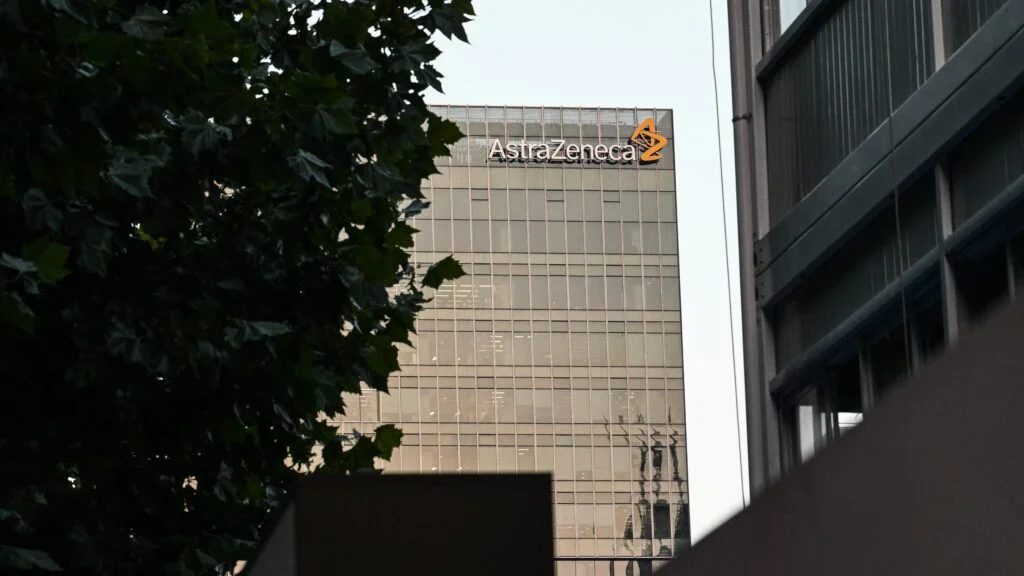
Good morning. There are several notable updates from the biotech sector today, particularly regarding AstraZeneca's latest development.
AstraZeneca Expands Its Footprint
AstraZeneca has officially opened a new facility in Boston, reinforcing its commitment to biotechnology research. This new site signifies more than just an expansion; it highlights AstraZeneca's strategy to boost its research and development capabilities amid intense competition. As the biotechnology industry grows and evolves, companies like AstraZeneca must adapt rapidly, focusing on innovation to maintain market relevance.
The choice of Boston is strategic. The city is not only a biotech hub but also home to some of the world’s leading academic institutions and research organizations. This means AstraZeneca will likely benefit from partnerships, access to top talent, and emerging technologies that could accelerate its R&D efforts. In a sector where speed is vital, being situated in such an ecosystem could yield significant advantages. Biotech companies typically thrive on collaborations; being close to MIT and Harvard could provide opportunities that translate research ideas into viable therapies.
What sets this expansion apart is AstraZeneca's commitment to particular therapeutic areas that align with current healthcare needs. Cancer research, rare diseases, and innovative vaccines are all focused areas, reflecting broader trends in the industry. These sectors are under pressure to produce results both from patient populations and regulatory bodies, which demand quicker solutions for pressing health challenges.
Industry News Highlights
- BridgeBio announced that the FDA has granted priority review for its oral treatment for achondroplasia, with a decision expected by February 4, 2027. This development is significant for pediatric patients suffering from this condition, as it could fill an important treatment void.
- Shionogi has acquired U.S.-based biotech IntraBio for $2 billion. This acquisition underscores the struggle many pharmaceutical companies face to develop effective treatments for rare neurological diseases. IntraBio's drug is particularly noteworthy for addressing symptoms that are often overlooked in clinical settings.
- Arrivent Biopharma reported that its Phase 3 trial for an experimental treatment targeting exon 20-mutated lung cancer failed to show effectiveness. This highlights an ongoing challenge in oncology where clinical trials frequently encounter obstacles, leading to increased scrutiny on the processes and methodologies involved.
Efforts Toward Drug Price Transparency
In related news, officials from the Trump administration have indicated plans to initiate a system for health insurers to disclose prescription drug prices, with a finalized proposal anticipated by next May. This move aims to improve transparency in pharmaceutical pricing, addressing a longstanding concern in the healthcare system.
The implications of this initiative are profound. If successful, it could empower consumers to make informed choices about their medications, potentially driving prices down through increased competition among drug providers. However, it also introduces complexities. Different insurers have varied ways of negotiating prices, and a standardized disclosure could inadvertently limit these negotiations' effectiveness, creating a dual-edged sword.
(And this is the part most people overlook) The potential resistance from pharmaceutical companies could complicate the rollout of this plan. Many in the industry have historically pushed back against calls for price transparency, arguing that a one-size-fits-all approach may not adequately reflect the nuances of drug pricing structures. The outcome of this proposal could reshape the industry significantly.
Future Outlook
The expanding focus on biotechnology and transparency signals critical shifts in the healthcare paradigm. With major players investing heavily in research facilities like AstraZeneca's Boston site, we may be entering a period marked by rapid advancements in treatment options and methodologies. This could lead to an influx of new therapies, particularly in areas with unmet medical needs, such as rare diseases and oncology.
If you're working in this space, keep an eye on the healthcare landscape. The priorities set forth by companies and regulators today will undoubtedly influence which breakthroughs make it to market tomorrow. As investments flow into R&D and consumers become increasingly aware of drug pricing dynamics, the dual themes of innovation and pricing transparency will dominate discussions in biotechnology circles. These developments may not only affect the financial health of companies like AstraZeneca but also determine how quickly patients can access new therapies.
This is more significant than it looks. As new facilities arise, and price transparency initiatives unfold, the biotech sector is at a crossroads. The path chosen today will shape the industry's future, influencing how companies innovate and how patients access essential treatments.



Discussion
Sign in to join the discussion.