Recent studies reveal alarming inconsistencies in pulse oximeter accuracy, challenging their reliability across diverse patient demographics.
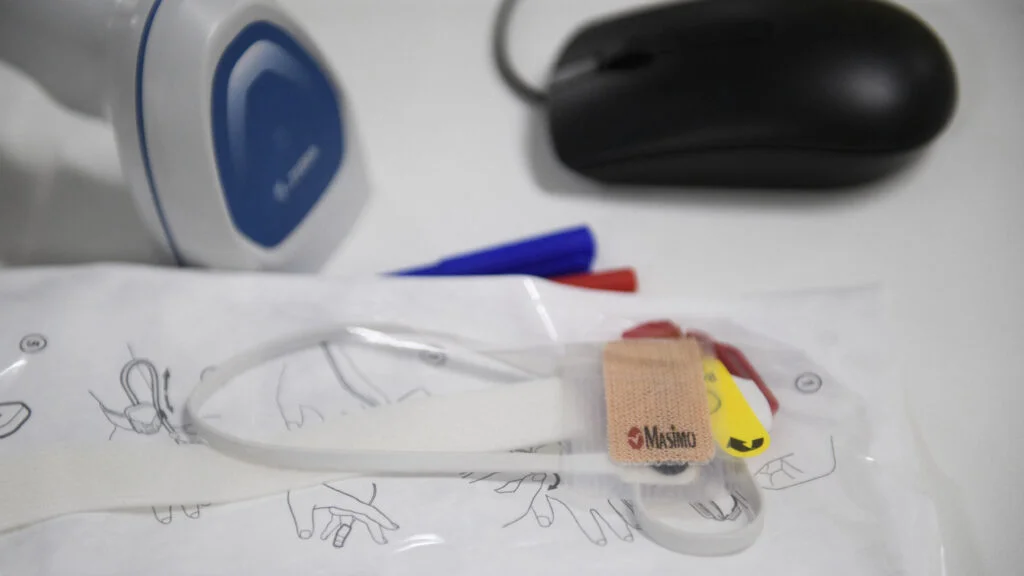
Pulse oximeters became ubiquitous during the Covid-19 pandemic, offering individuals a simple means of checking blood oxygen levels. However, as their use surged, significant concerns about their performance emerged. Numerous studies highlighted that these devices tend to overestimate blood oxygen levels in patients with darker skin tones, which can lead to misleading assessments and worsen health disparities.
A recent retrospective study from Johns Hopkins Hospital adds complexity to the ongoing conversation around pulse oximeter accuracy. This research uncovered a surprising trend: over a five-year period, the same pulse oximeters transitioned from overestimating oxygen levels to underestimating them, particularly in patients with higher oxygen levels. What's particularly troubling is that the inaccuracies were more pronounced among patients of color, raising questions about the devices' reliability across different demographics.
"One of the biggest problems with pulse oximeters is that they are this black box," noted Ashraf Fawzy, a pulmonologist at Johns Hopkins and a co-author of the study. He expressed confusion over the observed accuracy shifts, pointing to a lack of understanding about the underlying causes.
A representative from Masimo, the company whose pulse oximeters were used in the study, responded that they were unaware of any changes in technology, software, or manufacturing processes during the study’s timeline, which could clarify the reported results. The spokesperson emphasized that a myriad of factors—sensor type, placement, signal quality, and blood flow—could influence the readings, complicating any straightforward explanation for the fluctuations.
Given these developments, it’s clear that clinicians face a significant challenge. The Hopkins study found that pulse oximeters, which function by shining light through the skin to gauge blood oxygen levels, displayed inconsistencies in readings over time. The shifting reliability of these devices makes it difficult for healthcare providers to discern how to interpret the results accurately.
This research is somewhat of a response to an earlier FDA-funded investigation known as the EquiOx study. Conducted to understand the overestimation issues with pulse oximeters among patients with darker skin tones, EquiOx unexpectedly found evidence of underestimations in many cases. This discrepancy highlights the complexities of pulse oximeter accuracy, as it contrasts sharply with previous findings.
The ongoing question is: how can physicians adapt to this uncertainty? Traditionally, if pulse oximeters produced a predictable level of error, providers could compensate for this in their clinical decisions. However, the current inconsistency resembles a "broken clock" that could be wrong at any time. Thomas Valley, a health services researcher, illustrated this dilemma, emphasizing the critical role these devices play in patient care.
The implications of these findings are profound. When oximeters overestimate oxygen levels, patients may not receive critical interventions due to false reassurances. Conversely, underestimations could lead to unnecessary treatments or prolonged hospital stays, both of which pose their own risks to patients. As Jack Iwashyna, another co-author of the study, summed up the situation: “It is not at all clear these things are fit for use in the way that we’re using them.”
The discourse around these devices has expanded to include the methodologies behind studying their effectiveness. The seminal 2020 research that spotlighted racial biases in pulse oximeter readings primarily relied on retrospective data, prompting calls for prospective studies that actively monitor pulse oximeter usage and results. However, such studies have yet to yield definitive answers. A recent prospective investigation from Emory University corroborates the presence of racial bias but indicates that the inaccuracies extend beyond mere skin pigmentation.
As Sivasubramanium Bhavani, who led the Emory study, pointed out, health conditions like anemia and cardiovascular diseases—which disproportionately affect minority populations—complicate the interplay between skin tone and pulse oximeter performance. His observation underscores an essential truth: any next-generation devices, even if perfectly calibrated for skin tone, may still be affected by myriad other health variables.
Ultimately, the growing body of evidence reflects a critical need for reevaluating the clinical reliance on pulse oximeters. As researchers unravel the complexities surrounding these devices, both clinicians and patients demand a clearer understanding of their accuracy. Until then, the quest for trustworthy pulse oximetry continues, with the hope that future innovations can rectify the disparities currently present in these essential health-monitoring tools.



Discussion
Sign in to join the discussion.