The Nobel Prize-winning work in optogenetics is paving the way for innovative treatment strategies for conditions like blindness and Alzheimer's.
Understanding the intricacies of the human brain is no small feat. With billions of interconnected neurons, the brain processes information with remarkable speed, influencing perception, sensation, planning, and response. This neural architecture is incredibly complex, making it challenging for researchers to fully grasp its workings. That's why advancements in neuroscience tools are essential, as they allow scientists to probe deeper into how the brain operates.
The Complexity of the Human Brain
The human brain contains about 86 billion neurons that communicate through innumerable synaptic connections. These connections form intricate networks, regulating everything from autonomous bodily functions to higher cognitive processes. Each neuron can connect to thousands of others, creating a vast web that constantly reshapes itself based on experiences and stimuli. This dynamism is what both fascinates and complicates neurobiology, requiring tools that provide unparalleled precision in observing and interacting with these neural circuits.
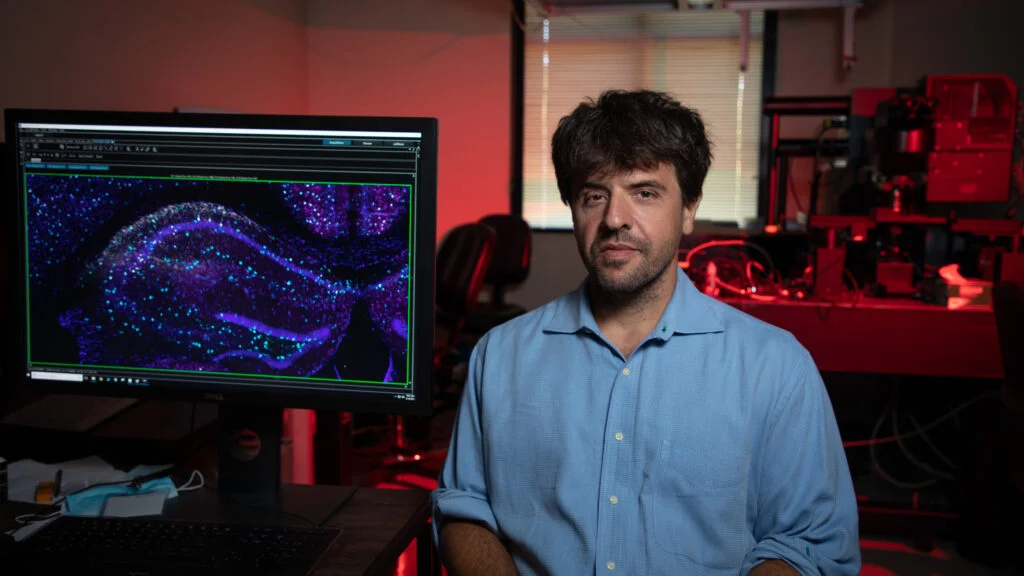
Researchers have long sought ways to manipulate and visualize neurons to understand their functions better. Traditional techniques often fall short, unable to differentiate between the activities of individual neurons. As a result, there’s a pressing need for advanced technologies that can bridge this gap. Karl Deisseroth, based at Stanford University and the Howard Hughes Medical Institute, is at the forefront of efforts to meet this challenge through innovative research that aims to enhance our grasp of neural mechanisms.
The Role of Precision Tools in Neuroscience
In recognition of this complexity, Karl Deisseroth, a leading researcher from Stanford University and the Howard Hughes Medical Institute, stated, “All of this is incredibly complicated… how can we hope to make headway without tools that match the complexity and the precision of the brain?” His groundbreaking research earned him and his German colleagues, Peter Hegemann and Georg Nagel, the 2026 Nobel Prize for Medicine. This accolade underscores the urgency of developing transformative tools in the realm of neuroscience.
Deisseroth’s work focuses heavily on optogenetics, a technique that allows scientists to control neurons using light. By genetically modifying neurons to express light-sensitive ion channels, researchers can selectively activate or inhibit specific neurons with pinpoint accuracy using light. This method has revolutionized how scientists study brain functions and their implications for behavior, pushing the boundaries of neuroscience research.
Innovations and Future Directions in Neuroscience
Deisseroth emphasizes that to understand our concepts of reality and subjective experiences, we need tools that can precisely target individual neurons swiftly. Following the announcement of the Nobel Prize, he reiterated the necessity of developing such precise instruments to navigate the brain's complexity and enhance treatments for neurological disorders. This is more significant than it looks: the ability to manipulate the brain at the level of individual neurons could lead to breakthroughs in treating conditions like Alzheimer’s, Parkinson’s, and even mental health disorders.
The growth of neurotechnology has accelerated in recent years, with several startups and research institutions focusing on harnessing the intersection of neuroscience and engineering. Companies are developing devices that can interface with neural circuits, aiming to treat or monitor neurological conditions effectively. The implication here is profound: if the tools are in place to understand the brain’s complexities, the potential for improved therapies becomes a tangible reality rather than a distant goal.
The Implications of Advancements in Neuroscience
What this means for you, especially if you're working in this space, is that the tools and technologies emerging from this research could soon usher in a new era of brain therapeutics. Improved neuronal targeting may not just refine existing treatments but could also pave the way for entirely new approaches to treat neurological ailments. Larger implications might include redefining our understanding of cognitive disorders and personalizing treatment strategies based on individual neural profiles.
However, despite the optimistic outlook, there are significant hurdles to overcome. Ethical considerations must guide the development of such powerful tools. As we gain the ability to manipulate neural circuits, questions about consent, the nature of consciousness, and the potential for misuse become central to the discourse. These aren’t merely academic concerns; they point to broader societal implications that need to be addressed as the technology evolves.
And yet, skepticism is warranted regarding the practical application of these technologies. Current research is still primarily in control settings, and the transition from laboratory discoveries to clinical practice is notoriously slow. Promises of miraculous cures should always be tempered with the reality that translating basic science into applicable treatments often faces regulatory, logistical, and funding challenges that can stall even the most promising innovations.
As we ponder the future of neurotechnological advancements, it’s essential to maintain a balance between enthusiasm and caution. The visions painted by researchers like Deisseroth highlight an exciting frontier in neuroscience that could change the way we approach mental health and cognitive disorders. The attention surrounding the 2026 Nobel Prize serves as a reminder of both the potential and challenges that lie ahead.


Discussion
Sign in to join the discussion.