Three ex-FDA chiefs condemn DOGE's impact on the agency, citing a critical loss of expertise due to executive decisions.
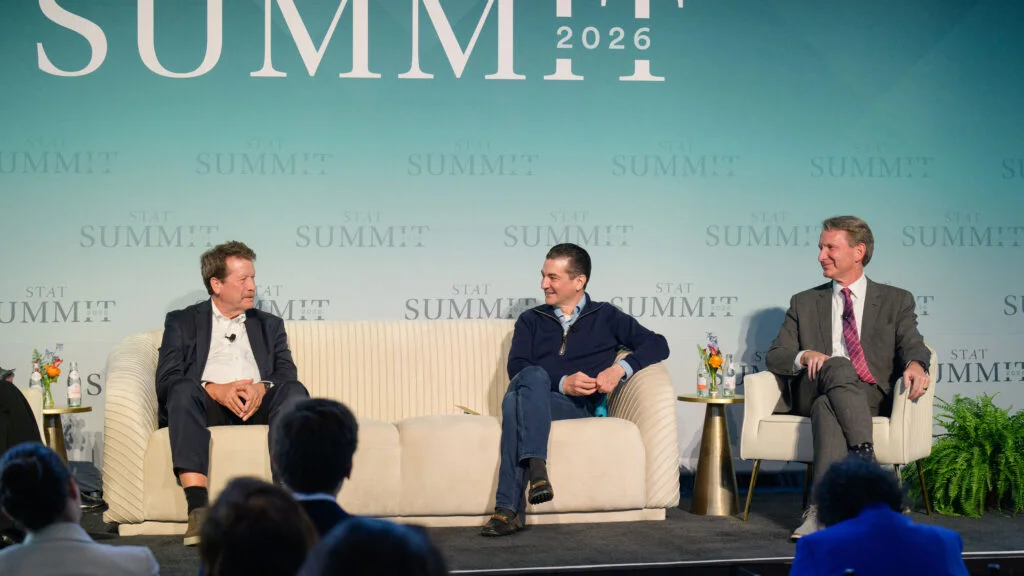
Ex-FDA Officials Share Their Concerns
At the STAT Summit in Boston, a gathering of health policy experts, three former leaders of the Food and Drug Administration (FDA) voiced their profound disappointment regarding the management of the agency during the Trump administration. Their concerns were specifically targeted at significant staffing reductions that left the FDA bereft of vital institutional knowledge. The discussions highlighted not just regrets about personnel cuts but also a broader concern for the future of an agency that plays a crucial role in public health and safety.
The FDA's workforce is not merely a collection of bureaucrats; it comprises highly skilled scientists, regulators, and public health experts who are integral to ensuring the effectiveness and safety of food and drugs in the United States. The apprehension expressed by these former officials underscores a painful recognition: when an agency like the FDA loses seasoned professionals, it diminishes its ability to respond swiftly and effectively in times of public health crises.
DOGE's Legacy of Staffing Cuts
Robert Califf, who served as FDA commissioner under both Presidents Obama and Biden, sharply characterized the “Disastrous Organizational Goals for Excellence” initiative, or DOGE, as “one of the biggest disasters in American history.” This statement reflects not only a personal sentiment but also a realization of the long-term implications these mass layoffs can have on public health governance. Under Elon Musk's leadership, his initiatives led to a staggering 3,500 employees departing from one of the most vital agencies involved in protecting public health.
This kind of mass termination isn't a small issue. When you strip away seasoned experts, you're not just losing a body in a cubicle; you're taking away experience, mentorship, and institutional memory. What's more, the challenge of replacing such personnel isn't as simple as hiring droves of new recruits. The FDA's challenges tread into complex territory involving years of specialized training and knowledge about regulatory frameworks, scientific methodologies, and public health policies that simply can't be picked up overnight.
Ongoing Challenges for the FDA
Currently, the agency faces a serious predicament—a depletion of expertise resulting from the exodus under former commissioner Marty Makary, who resigned in May. This has consequences that are being felt across the entire public health spectrum. New leaders, like Heidi Overton, nominated to fill the vacancy left behind, find themselves in a race against time. She awaits Senate confirmation before even stepping into a role where her leadership will undoubtedly be scrutinized.
The pressure is on. The FDA isn't just a regulatory body; it is at the very heart of public health interventions. Every headache pill, cancer treatment, and food product approval requires the meticulous examination of data and rigorous scientific oversight. The loss of human capital can directly translate into delays in crucial drug approvals and hinder timely public health responses, especially in an age where outbreaks and health crises can emerge unexpectedly.
And then there's the question of morale. A demoralized workforce can lead to reduced productivity and innovation—a scenario the FDA may already be facing. Employees left behind carry not just the burden of increased workloads but also the weight of uncertainty regarding the agency's strategic direction. This is the part most people overlook: an exodus of experienced personnel creates a knowledge gap that can take years to bridge, especially in the public sector where hiring and training can stretch out over months or even years.
The Road Ahead for the FDA
If you're working in this space, you have to keep an eye on how these dynamics will play out in the coming months. The FDA is currently under intense scrutiny, and the upcoming confirmation of new leadership will play a vital role in shaping its future. Will they focus on retention and rebuilding, or will the agency remain in a holding pattern, struggling to regroup amidst external pressures?
Moreover, its ability to build a future-proof workforce will directly impact how effectively it can navigate emerging public health threats, from the rising debate over food safety to the challenges presented by novel therapeutics and vaccines. Time will tell whether the FDA can turn this ship around, but the stakes have never been higher.
The FDA’s legacy is one steeped in public trust and safety, but the recent decisions have raised questions about its operational integrity and ability to lead in uncertain times. This transition period will define how the agency moves ahead and regains its footing in a world where health crises can ricochet across borders in a matter of days.



Discussion
Sign in to join the discussion.