One couple’s $9,000 pregnancy bill shows why insurer estimates can fall short—and what families can do to plan for maternity costs.
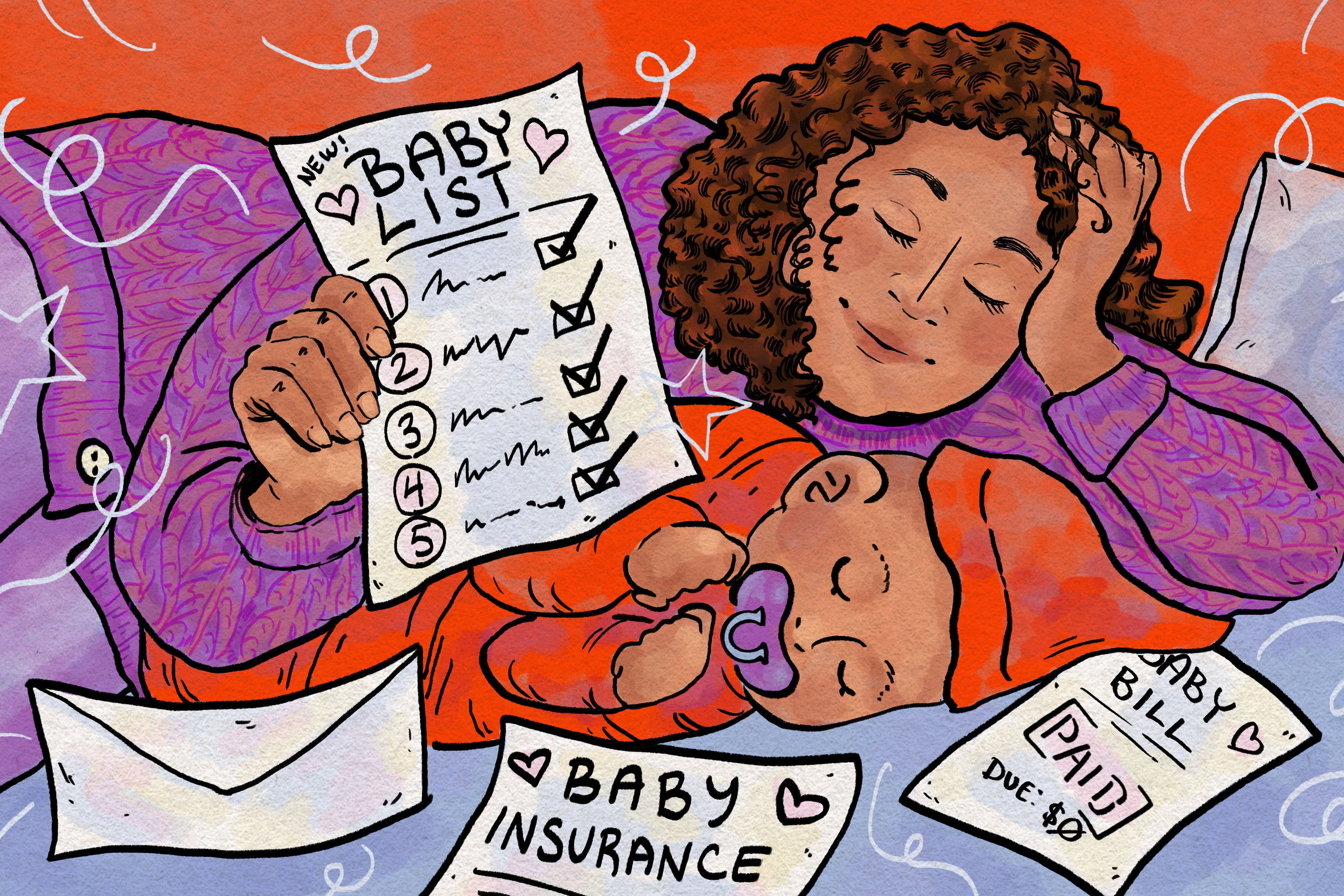
Grace and Daniel Griffin planned ahead for the cost of having their first child. Even so, the Calumet, Michigan, couple paid more than $9,000 out of pocket by early October—over three times the $2,700 estimate they found through Grace’s health plan.
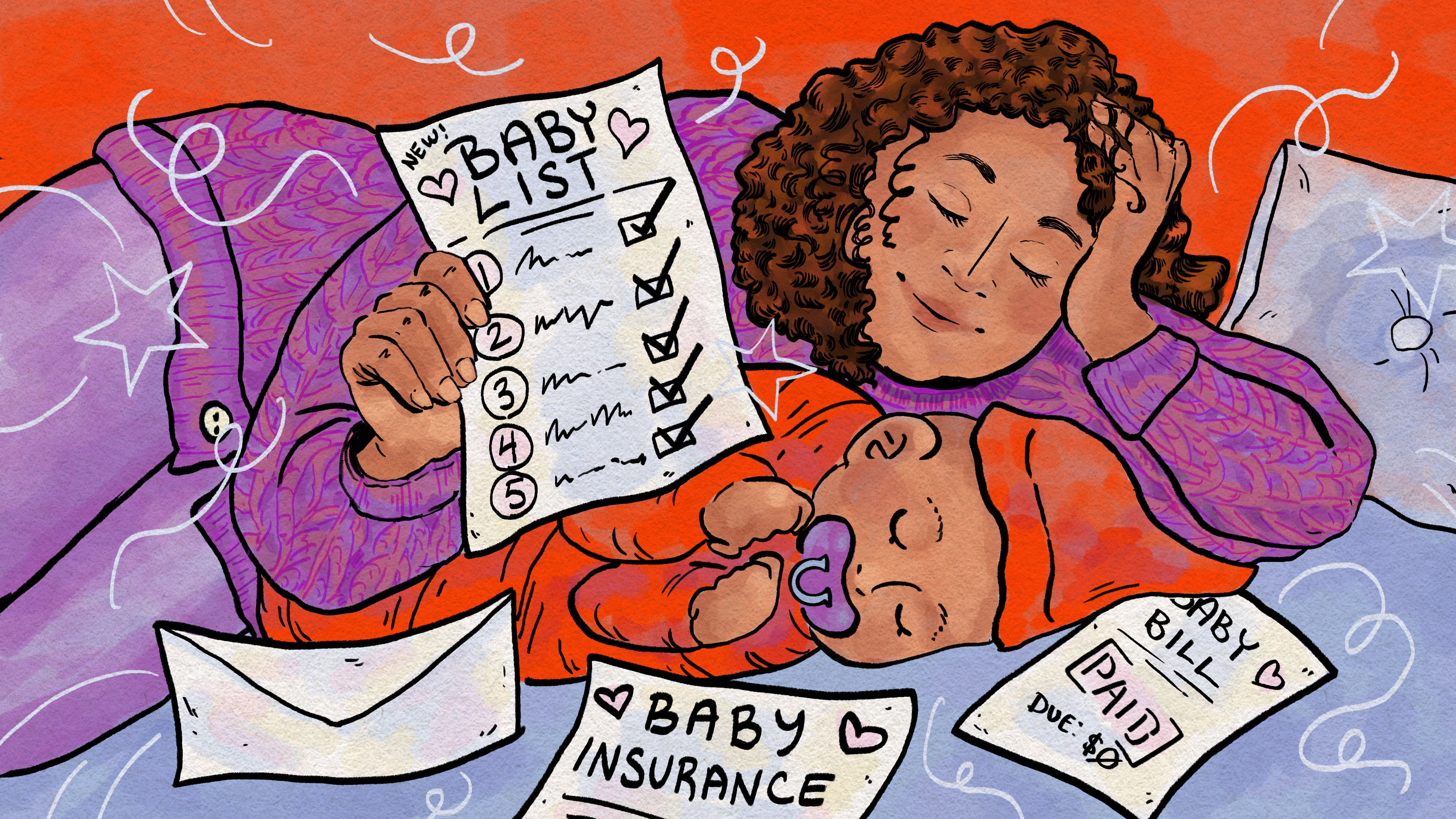
The gap points to a practical problem for families budgeting for pregnancy: a general estimate may not reflect how a particular plan applies its deductible, coinsurance, and other charges to each service. “We thought, ‘OK, that’s doable,’” Grace said of the estimate. “We should be able to save up that much and pay for that out-of-pocket.” As the bills arrived, that expectation gave way to a much larger total.
The couple had tried to price care before attempting to conceive. A cost estimator linked to Grace’s UnitedHealthcare student plan asked her to enter billing codes for likely procedures—details she didn’t have. She eventually found the plan’s Summary of Benefits and Coverage information, which put routine pregnancy and delivery costs at about $2,700.
Grace met her $500 deductible early in the pregnancy. After that, the plan required her to pay 20% coinsurance for in-network care. Lab work, including routine blood tests to check iron levels or for gestational diabetes, cost a few hundred dollars at a time, she said. The hospital later listed about $18,000 in charges for the delivery. After what Grace described as a routine pregnancy and birth in June, the family’s out-of-pocket expenses had passed $9,000 by early October. “Much more than we budgeted for,” she said.
Better estimates have yet to arrive
Patients still lack a promised tool that could give them a more individualized picture of costs before scheduled care. The 2020 No Surprises Act required insurers to provide an “advanced explanation of benefits” estimating what patients would owe for planned services. The requirement was scheduled to take effect Jan. 1, 2022, but federal regulators have not put it in place, despite continued pressure from members of Congress.
“So, it’s basically 4½ years since this was supposed to be available, and I think it’s a source of a lot of frustration for a lot of folks,” said Sabrina Corlette, a research professor and co-director of Georgetown University’s Center on Health Insurance Reforms. “People have a right under the law to know these things.”
Another change is due Jan. 1: long-used maternity billing codes that bundle much of pregnancy care are set to give way to more detailed codes for prenatal care, labor, delivery, and postpartum services. The change could make individual services easier to identify, but Corlette said it’s uncertain whether that will help patients predict their bills. “I could see where it might be advantageous to the provider,” she said. “But I’m not sure I’m seeing benefits to the patient.”
Five steps to make costs more manageable
Families can’t make every bill predictable, but knowing the plan’s rules and acting early can help limit avoidable costs and catch mistakes.
1. Add the newborn to a health plan on time.
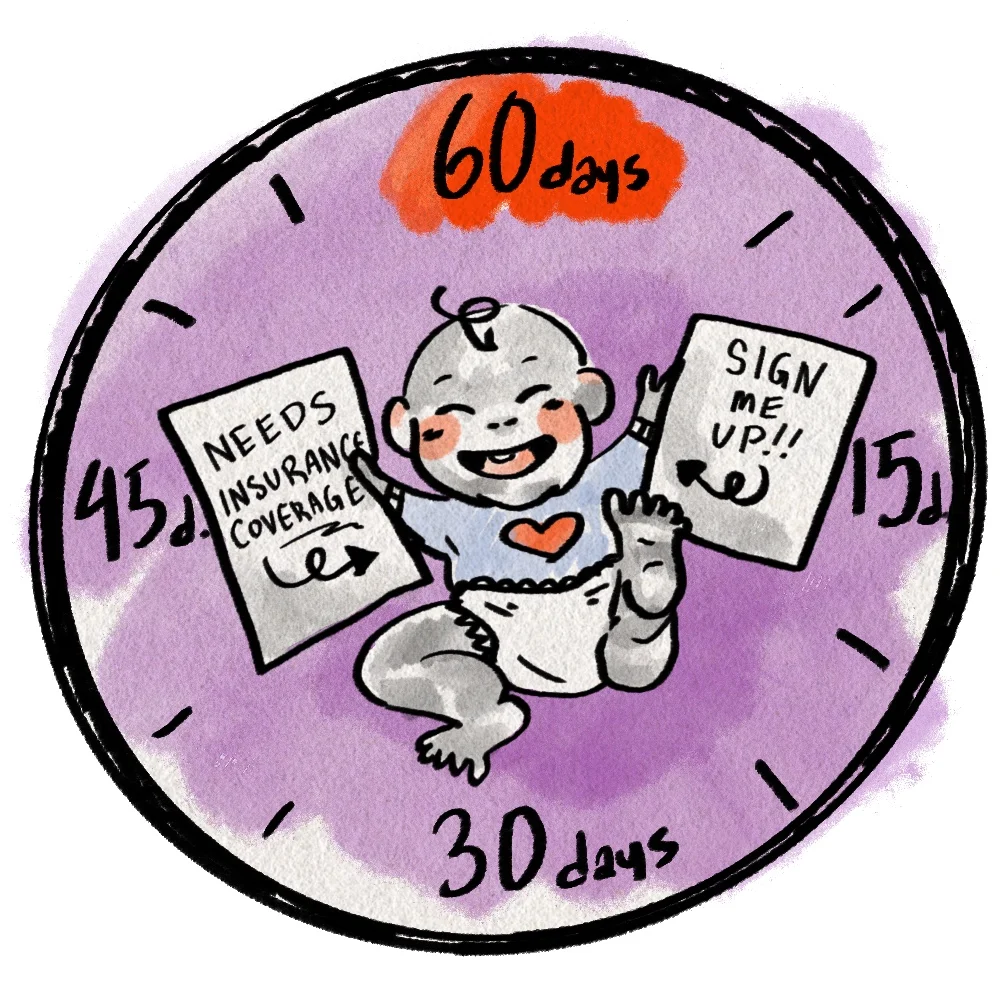
A birth opens a special enrollment period, so parents don’t have to wait for annual open enrollment to insure a newborn. Employer plans often give families 30 days to request enrollment; Marketplace plans generally allow 60 days. Missing the applicable deadline can leave a baby without coverage until the next enrollment period.
Michelle Critzer, a sales representative in Ventura, California, missed the 30-day deadline to enroll her second son, Hudson, after he was born in February 2026. Her insurer has so far declined to make an exception. “The way they set hard must-dos within 30 days of having a baby is actually insanity,” she said. Her husband’s workplace plan allowed 60 days, so the family enrolled Hudson there. Critzer said that coverage is less extensive than her own, but it means he is insured while she continues seeking enrollment through her plan.
2. Find your deductible, coinsurance, and maximum out-of-pocket limit.
The deductible is what you pay before the plan begins covering many costs. Copayments are fixed charges for services; coinsurance is a percentage of a service’s cost. That percentage can be hard to budget for when the price of each service is unclear—as Grace’s lab bills demonstrated.

Ask your insurer for the maximum out-of-pocket amount, often called the MOOP. It caps what you owe for covered, in-network care during a plan year. In 2026, the federal limit is $10,600 for an individual and $21,200 for a family, though a plan can set a lower cap. After you reach your plan’s limit, insurance pays all further covered in-network costs for the rest of that year.
Timing matters. If a pregnancy crosses into a new plan year, the out-of-pocket limit resets, potentially leaving a family with large expenses in both years. Some plans also track in-network and out-of-network spending separately, and an out-of-network limit can be twice the in-network one. The Griffins’ family limit was $18,000; Grace’s individual limit was $9,000.

3. Confirm that every part of your care is in-network.
An in-network obstetrician doesn’t guarantee that the hospital, lab, or imaging facility used by the office is also in-network. Ask which providers will handle tests and procedures, and tell the doctor’s office to send orders to in-network facilities. Federal protections limit certain surprise bills from out-of-network providers when a patient receives care at an in-network hospital or facility.
4. Review charges and challenge errors.
Some recommended prenatal services must be covered without additional cost under the Affordable Care Act. These include prenatal visits, folic acid, screening for anxiety and depression, and breastfeeding and lactation counseling and supplies. Charges can still be passed to patients by mistake. Corlette recommends learning which pregnancy-related services are covered, reviewing bills, and appealing when an insurer refuses to pay for a covered service.
5. Ask about financial help before balances grow.
Hospitals commonly offer financial assistance, reduced charges, or payment plans; doctors and other providers may also have options. Ask what help is available and get any agreement in writing before relying on it. Corlette advises doing so to reduce the chance that an account will unexpectedly be sent to collections.
Families can also check for local support. Grace qualified for Michigan’s Rx Kids program, which provides eligible families in certain communities with $1,500 during pregnancy and $500 a month for the baby’s first six months or year of life. The assistance has helped keep the Griffins’ medical bills from consuming their emergency savings. “It takes a lot of pressure off,” Grace said.
The Griffin family’s experience shows why a single estimate may not be enough for a pregnancy budget. Start with the plan’s cost-sharing limits, check the network for each provider, and leave room for bills that are difficult to predict. For families facing a large balance, asking about assistance early can protect savings while they work through the charges.
Healthcare Helpline helps you navigate the health system hurdles between you and good care. Send us your tricky question and we may tap a policy sleuth to puzzle it out. Share your story. The crowdsourced project is a joint production of NPR and KFF Health News.
KFF Health News is a national newsroom that produces in-depth journalism about health issues and is one of the core operating programs at KFF—an independent source of health policy research, polling, and journalism. Learn more about KFF.
This article first appeared on KFF Health News and is republished here under a Creative Commons Attribution-NonCommercial-NoDerivatives 4.0 International License.



Discussion
Sign in to join the discussion.