Camp Cranium offers an empowering environment for children with brain injuries, showcasing resilience despite federal funding uncertainties for related programs.
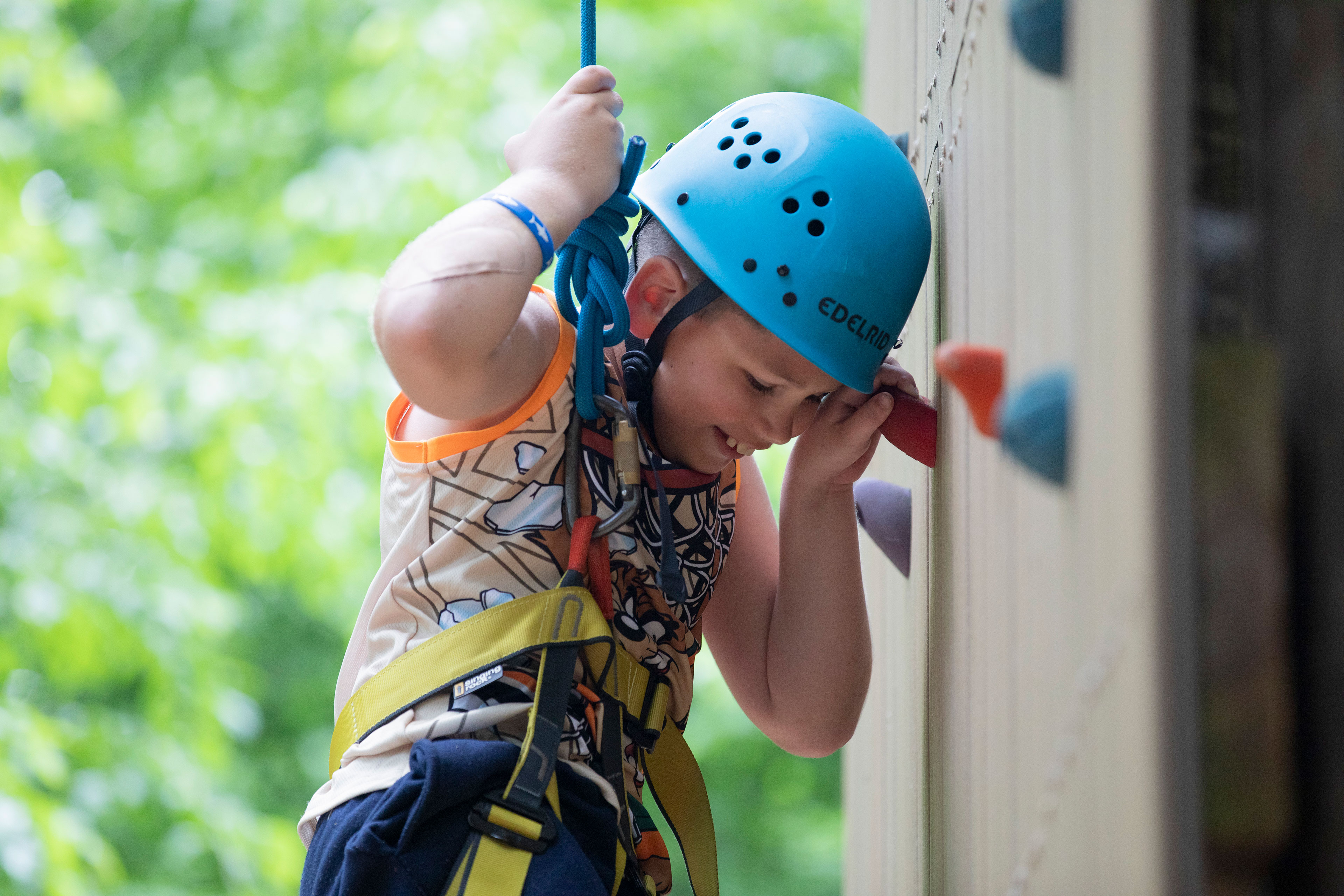
In the picturesque rural setting of Millville, Pennsylvania, children and young adults are defying the odds at Camp Cranium, where they engage in activities like archery and rock climbing. The atmosphere is charged with excitement as arrows soar toward targets, and cheers of accomplishment fill the air.
Camp Cranium, operational since 2008, is designed for campers aged 10 to 21 who have survived brain injuries, allowing them to reclaim a sense of normalcy and adventure. Drew Meyer, the camp’s operations director, observes with pride as they overcome significant challenges, stating, “They will surprise you, like, flat out.” Many campers face mobility and communication hurdles, yet they thrive in a supportive environment that promotes growth and camaraderie.
Addressing a Growing Need
The camp's establishment reflects a national trend: improvements in brain injury survival rates over recent decades, primarily linked to enhanced trauma care and the implementation of safety regulations. The landscape has changed since the 1980s, largely due to federal investments in research and trauma treatment facilities, contributing to better outcomes for brain injury survivors.
However, the attention and resources directed towards this issue currently face uncertainty. Legislative efforts aimed at tracking and preventing traumatic brain injuries (TBIs) are in disarray, particularly following the failure to renew a pivotal federal law designed to support such initiatives.
Impact of Federal Policy Changes
Rebeccah Wolfkiel, executive director of the National Association of State Head Injury Administrators, underscores a pressing concern: “Brain injury can happen to anybody. This community deserves more.” The trajectory of brain injury research and prevention is now mired in ambiguity due to substantial staff reductions at the Centers for Disease Control and Prevention (CDC) in recent years.
The implications of these changes are significant. For instance, the once-active team responsible for TBI surveillance faced layoffs just before they were slated to launch a national concussion monitoring system. Though the CDC asserts that their commitment to TBI prevention remains unwavering, the long-term impact of reduced personnel and funding is a genuine concern for experts in the field. Wolfkiel points out, “The lack of resources and programs out there is really just sort of appalling.”
A Glimpse of Resilience at Camp Cranium
The campers’ resilience is vividly illustrated by their stories. Lucas Hardy, aged 14, is one such example. He shares a triumphant smile as he scales a 30-foot rock wall with the aid of a hoist, a mark of his determination following nearly a decade since a traumatic brain injury altered his life at the age of three.
Statistics show that around 2.8 million Americans, including approximately 475,000 children, sustain TBIs annually, yet many cases go undetected. A CDC survey from 2018 hinted at even higher prevalence rates, indicating that many brain injuries remain concealed and often unreported due to their non-visible nature.
Funding Fluctuations
Despite the lapsing of the Traumatic Brain Injury Act since reauthorization last taken up in 2024, funding for TBI programs at the CDC continues, although at a significantly diminished scale. Congress has allocated only $8.25 million for TBI activities in recent appropriations, starkly lower than the $23 million awarded annually from 2020 to 2024.
Tony Sadowski, the camp’s executive director, is acutely aware of the funding landscape. His personal connection to the camp is profound; his son Bryan suffered a brain injury due to a stroke at six years old and has since thrived in the camp environment, benefiting from its resource-rich atmosphere. The ongoing challenges with federal funding don’t seem to affect operations at Camp Cranium, an independent nonprofit primarily sustained through private donations.
Cultivating Community and Confidence
As laughter and shouts of joy echo through the camp, it’s more than just a recreational experience; it’s a vital community-building space. Brianna Engleman, a camper who underwent a hemispherectomy, illustrates the camp’s impact. Her journey toward confidence is palpable as she navigates through activities, preparing for a dance later that night and reflecting on how her time at Camp Cranium has changed her perception of others: “I’ve gotten more confident... there’s actually good people out there.”
Enthusiastic about returning as a counselor, Brianna epitomizes the camp’s essence of empowerment, highlighting the importance of support networks for children facing similar challenges.
Meanwhile, as campers swing along the zip line or focus intently on archery, Camp Cranium stands as a beacon of hope and camaraderie. Despite uncertainty looming over federal funding, one thing is clear: these programs provide more than just care; they offer a life-affirming experience that cherishes the spirit of resilience among young individuals facing life's toughest hurdles.
This setting fosters not just recovery, but a sense of belonging that reshapes lives, proving that joy and companionship are vital ingredients for healing.


Discussion
Sign in to join the discussion.