Measles Cases Surge to 35-Year High, Highlighting Vaccine Hesitancy Crisis in the U.S.
Published Jul 24, 2026Reads 838By Amy Maxmen
Measles cases in the U.S. have reached a 35-year high, driven by declining vaccination rates, prompting severe public health concerns.
A Troubling Resurgence of Measles Cases
This year isn’t just a setback; we're witnessing the beginning of a troubling trend in public health regarding measles. The United States has registered a staggering number of confirmed measles cases, reaching a 35-year peak by July alone. What’s more alarming is that the total for this year and last surpasses the cumulative cases from the last 25 years. The primary drivers of these outbreaks? Alarmingly low vaccination rates that are actually declining.
For the first time in 25 years, the U.S. has failed to meet a key benchmark that would classify measles as no longer a public health risk. The expectation is for outbreaks to be typically contained within a year. However, Utah presents a grave example—as its ongoing outbreak has persisted since June 2025, highlighting an unsettling shift.
This year's data has also resulted in nearly 400 hospitalizations related to measles, alongside three tragic fatalities and multiple reports of severe complications, such as brain swelling and prolonged residual effects. All of this occurs against the backdrop of an impending study by the Centers for Disease Control and Prevention (CDC). This report aims to analyze the situation regarding measles in the U.S. from January 2025 to June 2026, and many experts are anxiously awaiting its findings.
Yet, when you consult CDC insiders, it becomes evident that the situation is dire. A scientist from the agency, who remains unnamed due to fears of backlash, conveyed a stark truth: “You can’t say with any confidence that there hasn't been transmission over the past 12 months.” The upcoming CDC report is set to undergo scrutiny from a panel of measles specialists before submitting it to the Pan American Health Organization (PAHO), which evaluates elimination progress across the Americas.
Mark your calendars for PAHO's annual meeting this fall. Despite the lower frequency of assessments, experts like Anne Schuchat, former head of the CDC’s immunization division, note that even the timing of the next evaluation hints at an unfriendly reality for measles elimination. Schuchat lamented the return of measles, calling it “a wake-up call” that highlights the severe consequences of vaccine hesitancy.
The Role of Pediatricians in Combatting Outbreaks
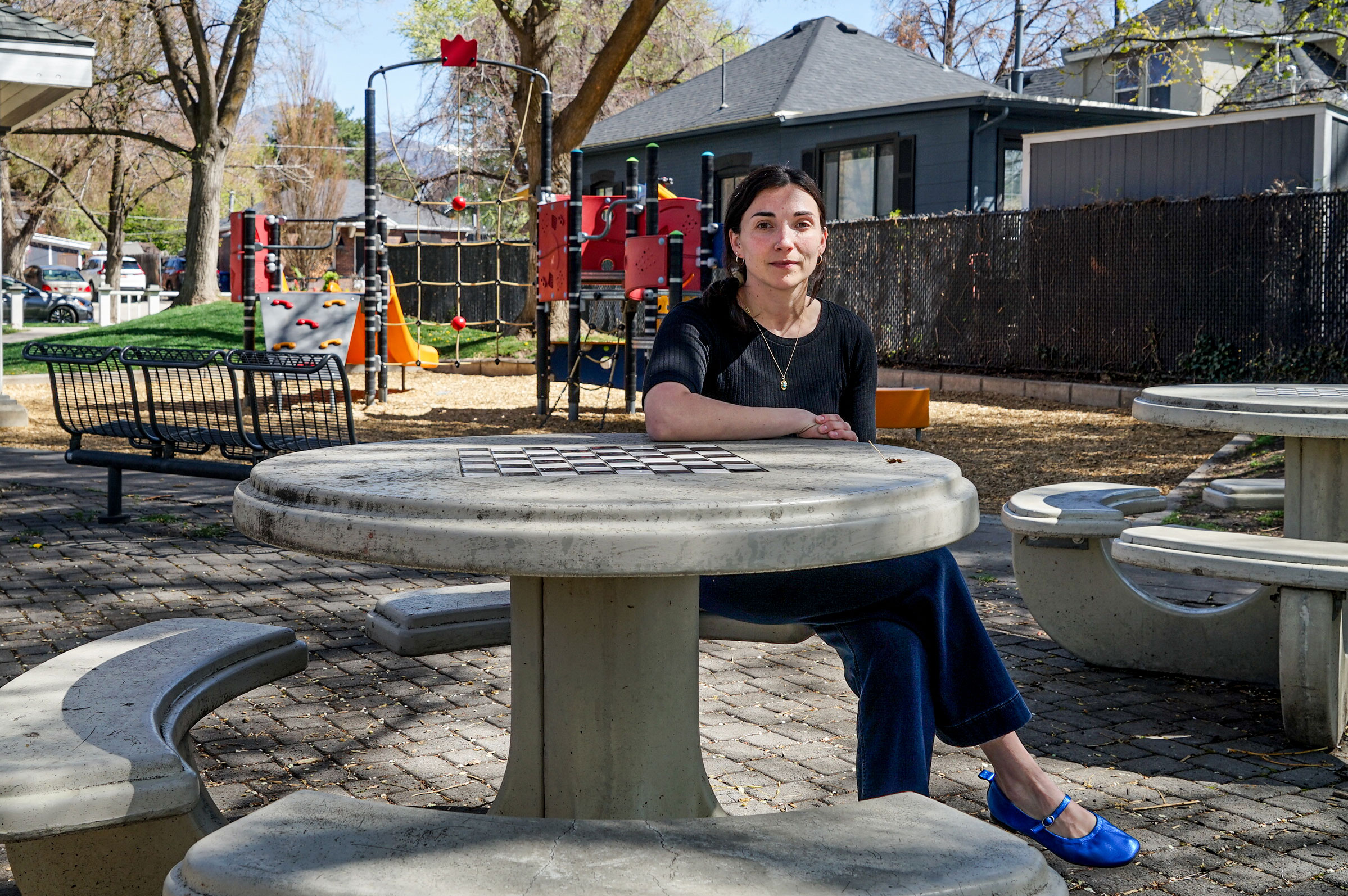
Utah pediatricians are feeling the immediate impacts of this resurgence. Conversations with local doctors reveal an alarming trend: a significant return of measles and other vaccine-preventable diseases. Six doctors recently shared with KFF Health News their frontline experiences coping with this new climate of vaccine reluctance.
Dr. Emilie Morris, a pediatrician in the Salt Lake area, described chilling scenarios: children presenting with signs of severe respiratory distress, including ragged breathing and visible dehydration—a reminder of the threat posed by these diseases. Dr. Nathan Money echoed her concerns, emphasizing the increased pressure on medical practitioners when they encounter unvaccinated children who may develop life-threatening complications.
There’s a troubling irony in these anecdotes. While many parents profess a love for their children, their decisions—often colored by misinformation—put those very children at risk. Dr. Trahern W. Jones, a pediatric infectious disease expert, shared harrowing accounts that reveal just how unprepared some families are, layering distress over the physical challenges the children face during illness.
For some parents, that moment of realization often occurs too late. They didn’t anticipate the severity of a disease that they mistakenly believed was benign.
The Political and Social Dimensions of Vaccine Hesitancy
Addressing vaccine hesitancy involves navigating a complex interplay of distrust and misinformation. Modern parents often find themselves swayed by narratives shaped on social media platforms, which can cause a significant disconnect with medical guidance. Dr. Tim Duffy highlighted this concerning evolution, where larger political discussions around vaccinations have compromised the trust that once existed between doctors and families.
The credibility of health organizations has been called into question, with some parents feeling torn between conflicting information. As they grapple with these uncertainties, doctors find themselves educating families about decisions that have long been based on sound medical understanding.
Dr. Jones remarked on the shift in discourse, noting that many have grown distrustful, turning to non-medical sources for information. He argued that rebuilding this trust will require consistent messaging from all levels of society, including community leaders, health departments, and families.
Ultimately, the physicians underscore the necessity of keeping lines of communication open. For doctors like Morris, the emotional toll is palpable, as they grapple with both the physical suffering of their young patients and the palpable regret expressed by parents who chose not to vaccinate.
As we move through the year, the onus lies on the healthcare community to reestablish the trust necessary for preventing future outbreaks. Without concerted collective efforts, measles and other diseases could very well return, prompting a healthcare crisis that we believed was behind us.

Discussion
Sign in to join the discussion.