Preventive Health
Longevity habits, health checkups, immunity and disease prevention
Prolonged Fasting Reveals Surprising Biological Changes in the Human Body
New research uncovers significant molecular changes occurring in the body after seven days of fasting, with insights for potential health treatments.
Gut Bacteria's Role in Brain Aging: New Insights from UCLA Study
A study from UCLA reveals a link between gut bacteria and the pace of brain aging, highlighting potential early intervention strategies for cognitive health.
Gut-Derived Molecule Linked to Increased Alzheimer’s Risk: New Insights
Research reveals a gut-produced molecule, ImP, may accelerate Alzheimer’s progression, pointing to potential new treatment avenues.

NIH Revamps Website for Enhanced Public Access to Health Information
The NIH is launching a redesigned website focused on eight key health themes to simplify access to crucial biomedical information.

The Anticipation of Nobel Prize Recognition: Insights from Mary-Claire King
Mary-Claire King reflects on the journey of scientific achievement and the anticipation surrounding the Nobel Prize, emphasizing impact over accolades.
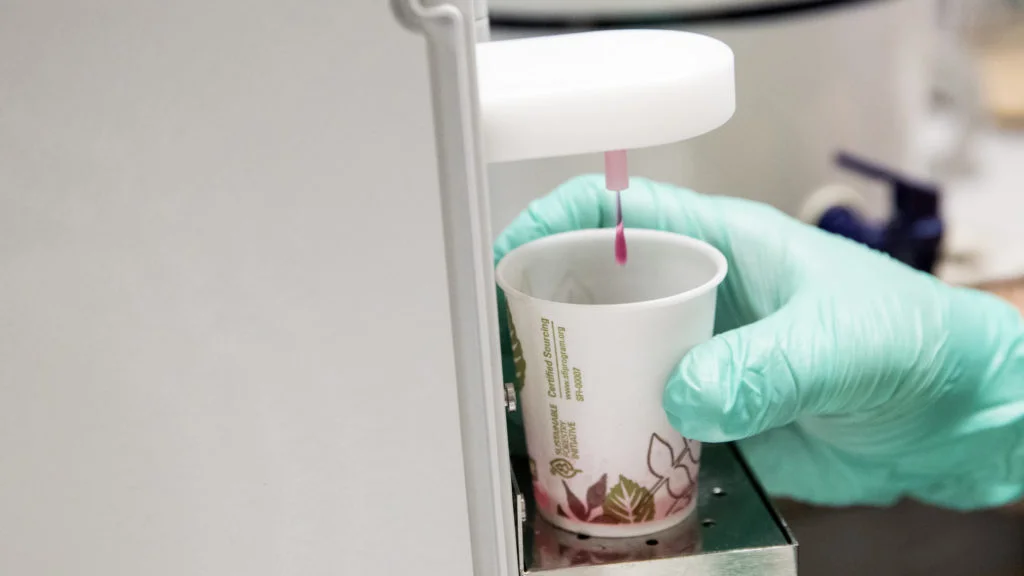
Challenges Persist in Young People's Opioid Addiction Treatment Retention
Despite improved access to addiction medications for youth, retention rates remain critically low, highlighting ongoing challenges in opioid treatment.

Lilly's Direct-to-Consumer Model Replaces Traditional Australian Pharmacies
Lilly shifts strategy by opting for a direct-to-consumer approach, transforming how patients access medication in Australia.
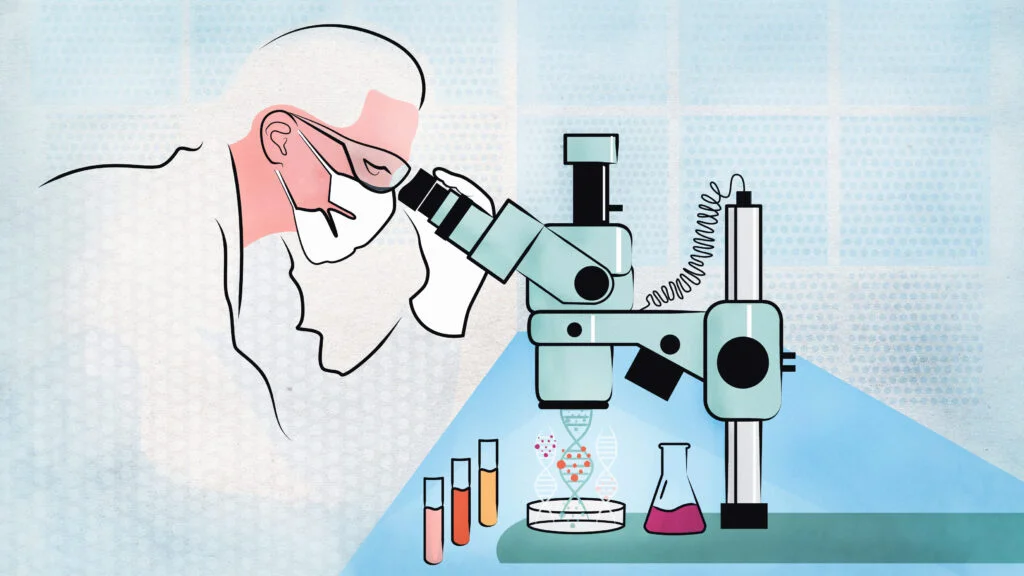
NIH Faces Scrutiny Over Grant Allocation and Delays in Funding Decisions
An analysis of NIH funding reveals reduced grants for health disparities and delays in disbursement, impacting researchers' work in fiscal year 2026.
Dietary Choices Linked to Slower Brain Aging: The MIND Approach
Adhering to the MIND diet may slow brain aging by approximately 2.5 years, aiding in the preservation of grey matter and overall cognitive health.
New Insights on APOE4's Role in Alzheimer's Reveal Possible Reversibility of Vascular Damage
Research highlights the potential reversibility of vascular damage caused by the APOE4 gene in Alzheimer's disease, opening new avenues for treatment.

Tennessee Health Workers Call for Removal from Execution Protocol Following Botched Lethal Injection
Healthcare professionals in Tennessee are advocating for the removal of medical personnel from the execution process after a troubling botched lethal injection attempt.
Study Links Brain Disorders to Accelerated Aging Patterns in MRI Scans
A recent study reveals unique brain aging patterns in individuals with various disorders, emphasizing the link between conditions and accelerated cognitive decline.
New Tick-Borne Virus Uncovered: Asian Longhorned Tick Nairovirus May Complicate Diagnosis and Treatment
A new tick-borne virus, ALTNV, has been identified in China, complicating differential diagnosis with similar conditions and raising public health concerns.
Unexpected Immune Pathway Revealed as Key Factor in Alzheimer's Progression
Recent research uncovers an immune pathway outside the brain that triggers T cell activity, linking it to Alzheimer's disease and potential new therapies.
New Research Raises Concerns About Glucosamine Use in Patients with Cognitive Impairment
Recent findings suggest glucosamine, a common joint supplement, may accelerate dementia progression in individuals with mild cognitive impairment.
Unpacking Tirzepatide's Metabolic Mechanism: Activation of Brown Fat and Its Implications
New research reveals that tirzepatide not only aids weight loss but activates brown fat, suggesting a broader impact on metabolism and obesity treatment.

Medically Tailored Meals for Medicaid Patients at Risk Amid Budget Cuts
Medically tailored meal programs for Medicaid patients yield significant health benefits and cost savings, yet face uncertainty due to prospective budget cuts.
Discovering the Role of Menin in Aging: Insights from Recent Mouse Studies
Recent research reveals how the protein Menin influences aging and cognition in mice, highlighting potential avenues for therapeutic interventions.
Chocolate Aromas Boost Exercise Performance by Altering Appetite Perception
Recent research shows that chocolate scents can enhance workout performance by influencing appetite, allowing participants to push through more reps without extra fatigue.
Significant Brain Changes from Midlife to Aging Uncovered by New Research
Recent research reveals substantial shifts in brain cell dynamics and genome architecture between ages 50 and 75, shedding light on the aging process.